Nima Leclerc
Scientist.
Builder.
Advisor.
Athlete.
I'm working to help quantum technology leave the lab, by building tools that let quantum computers and quantum sensors scale the way the transistor did.
- Penn, Ph.D.
- Cornell, B.S.
- Formerly PI at MITRE
- Co-founder, Arcturus
Worked at



 Abelian



Studied at

Spoken at and published in




Vision
Quantum's hardest problem
is now scale
Quantum physics already works in the lab. What stands between it and real impact is engineering at scale: devices that can be designed, built and kept running by the thousands, and then the millions.
Every qubit and every quantum sensor is slightly different, and each one drifts. Today, specialists tune them by hand, one device at a time. That works for a demonstration, but not for an industry.
Classical computing faced the same wall and got past it by learning to design and test chips in simulation, and by automating everything it could. I believe quantum technology needs its own version of that toolkit: faithful digital twins of real hardware, paired with AI that learns how each device behaves and keeps it at its best. I've been fortunate to work on this from both sides of the field, quantum sensing and quantum computing.
Quantum computing
Computers built like chips
The most direct path to millions of qubits runs through the factories that already make billions of transistors. At Diraq, I lead digital twin development for quantum processors made in silicon, with the same processes as everyday microchips, so they can be designed in simulation and calibrate themselves.
Quantum sensing
Sensors that leave the lab
Quantum sensors can navigate without GPS, see electrical activity inside a working chip and pick up the faint magnetic signals of the heart and brain. At MITRE, I led a program that used digital twins and adaptive AI to design better sensors and shorten their development cycle.
I'd like quantum technology to follow the arc of the transistor: from a physics experiment to something so reliable and abundant that people stop noticing it.
Speaking
On stage
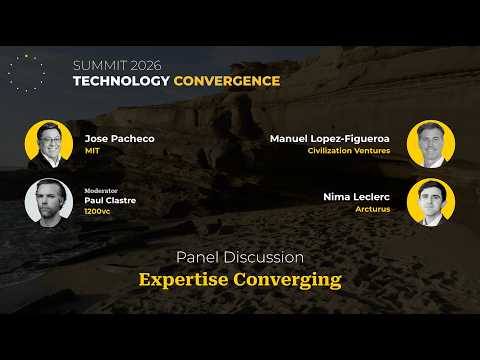
I'm grateful for the chance to talk with investors, policymakers and engineers about where quantum technology is going.
Latest talk · Cornell AI for Materials Institute · September 2026
Digital Twins, AI-aided Control and the Path to Scalable Quantum Hardware: From Sensing to Computing
An invited seminar back at Cornell, where I studied materials science, on how digital twins and AI-aided control can take quantum hardware from sensors in the lab to computers at scale.
Watch on YouTube


Research
One question,
at every scale
How do we make quantum hardware predictable enough to build at scale?
Looking back, everything I've worked on is a version of that question, asked one layer further up: from the atoms a device is made of, to the device itself, to the signals that control it, to the full system in the field. Each layer below lists the papers, talks and patent that belong to it. The complete record is on the Publications page.
Featured paper · 2026
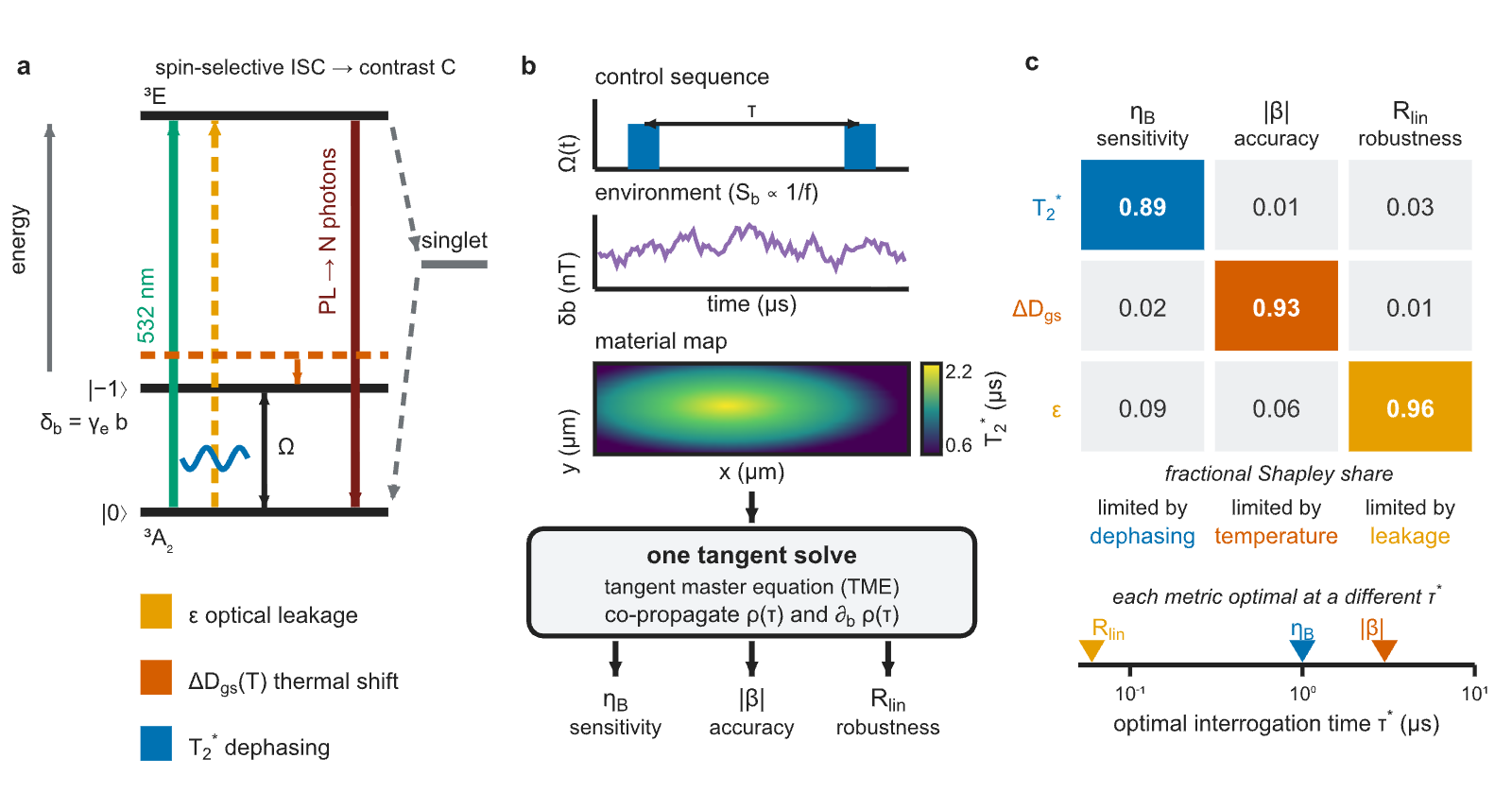
Beyond Sensitivity: Mechanism-Resolved Error Budgets for Designing Quantum Sensors
Engineering quantum behavior from the atom up
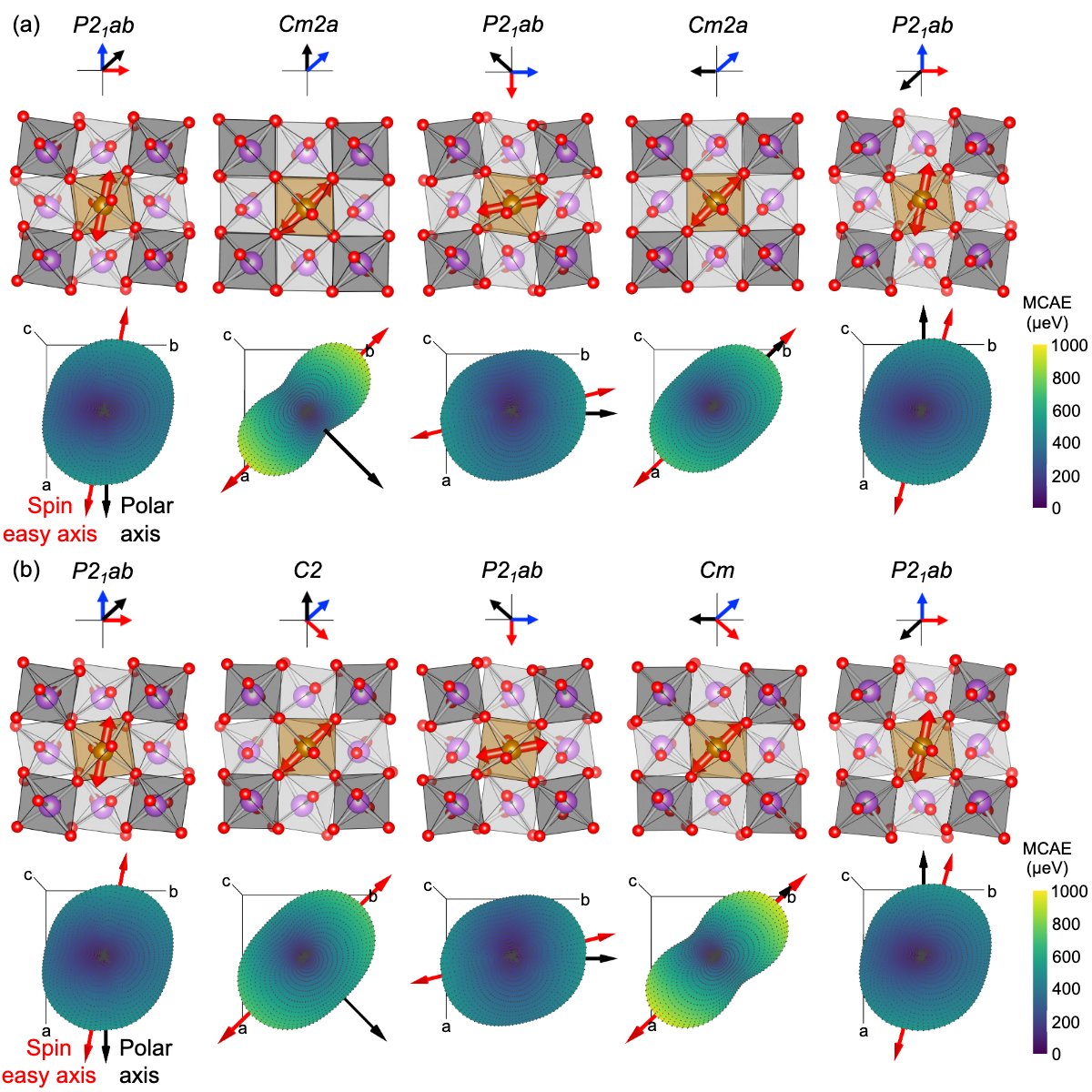
I started by asking how a material's structure shapes the quantum states inside it. With collaborators at Berkeley Lab, I used first-principles simulation to show how an electric field can steer a single spin inside a ferroelectric crystal, a possible route to low-power control of qubits. At MITRE, I helped develop SELFE, a faster way to predict when magnetic materials order. Earlier, battery and valleytronic materials taught me how to connect simulation to things you can build.
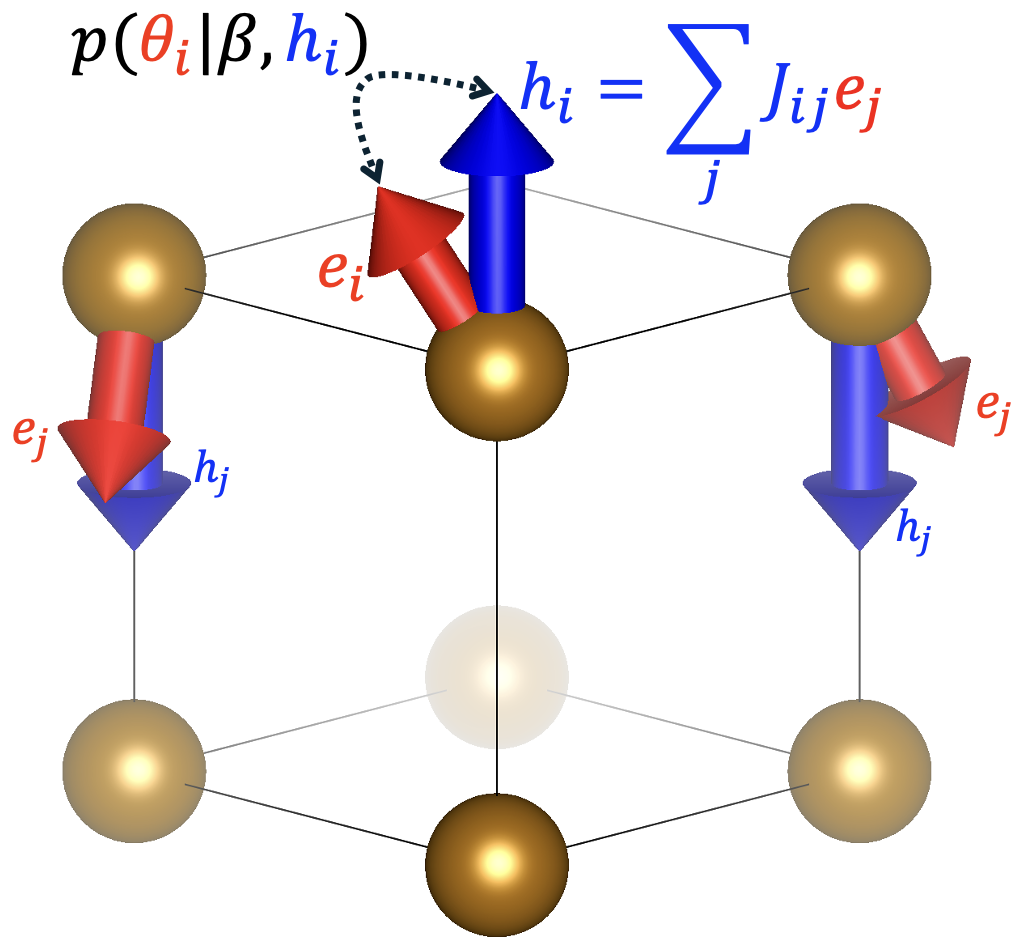
- 2025PaperMagnetothermal Properties with Sampled Effective Local Field EstimationBrawand, Leclerc, Zumbro · arXiv
- 2025TalkAn ab-initio method for magnetic specific heat using constrained supercellsAPS Global Physics Summit, Anaheim
- 2022PaperManipulation of spin orientation via ferroelectric switching in Fe-doped Bi₂WO₆Inzani, Pokhrel, Leclerc, et al. · Physical Review B
- 2021TalkElectric field control of single spins in oxide ferroelectric hostsAPS March Meeting · plus co-authored talks at APS 2021, 2022 and the Molecular Foundry 2020
- 2020TalkStretching Moore's law: quantum design of materials and devicesQuantum Simulations Group, Lawrence Livermore National Laboratory
- 2018TalkStrain engineering valleytronic materials to preserve state coherenceMaterials Research Society, Boston · MIT IEEE Undergraduate Research Conference
- 2016–19TalksSolid-state battery materials and 3D microbatteriesAmerican Chemical Society, Electrochemical Society, Caltech SURF symposium
Where devices on paper meet devices that work
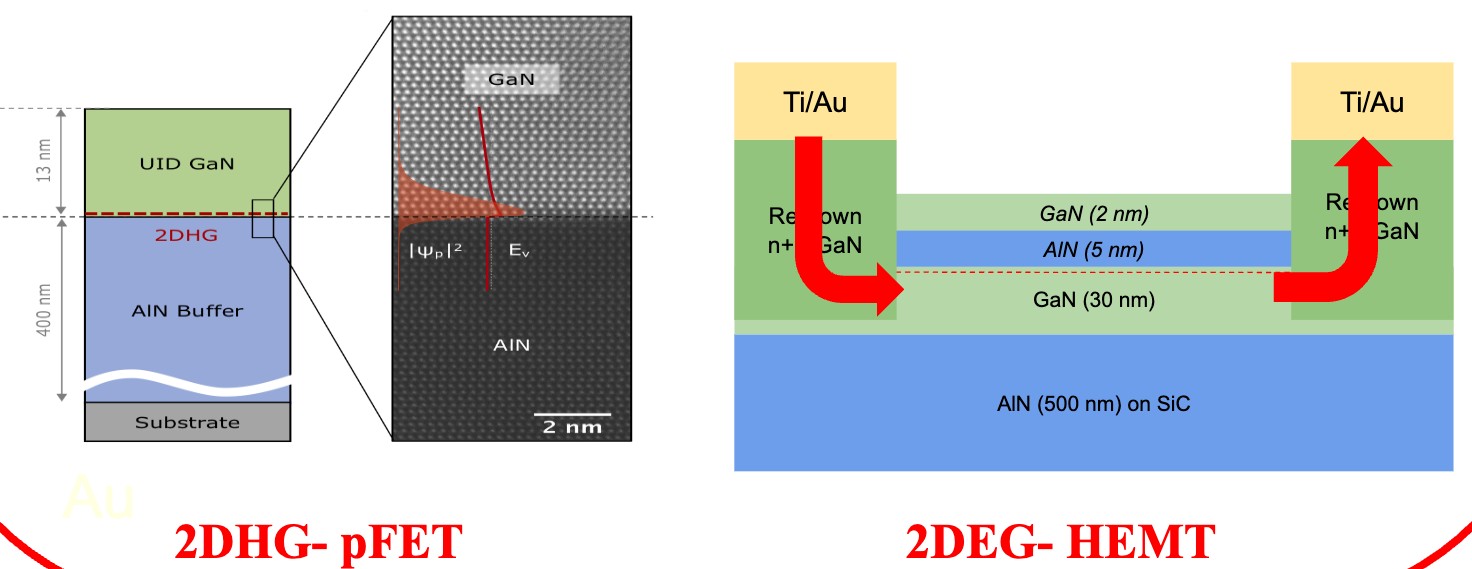
At Cornell, I studied the noise that limits next-generation transistors for high-speed communication. At Penn, I fabricated and characterized silicon quantum-dot devices, the same family of qubits I now model at Diraq. Internships at PsiQuantum and Kepler Computing showed me how industry turns a promising device into a product.
- 2023TalkFabrication and characterization of Si/SiGe quadruple quantum dot devicesOh, Leclerc, et al. · APS March Meeting, Las Vegas
- 2021TalkHigh-fidelity single- and two-qubit gates in silicon quantum processorsElectrical and Systems Engineering Colloquium, Penn
- 2021TalkTaming the beasts in ferroelectric memoriesKepler Computing, Berkeley
- 2021PaperLow-frequency noise in III-V nitride 2D electron and hole gasesLeclerc, Lee, Chaudhuri, Xing, Jena · Cornell University Library
- 2020PosterLow-frequency noise mechanism in GaN/AlN 2D electron and hole gasesCornell Honors Thesis Symposium
Teaching quantum devices to tune themselves
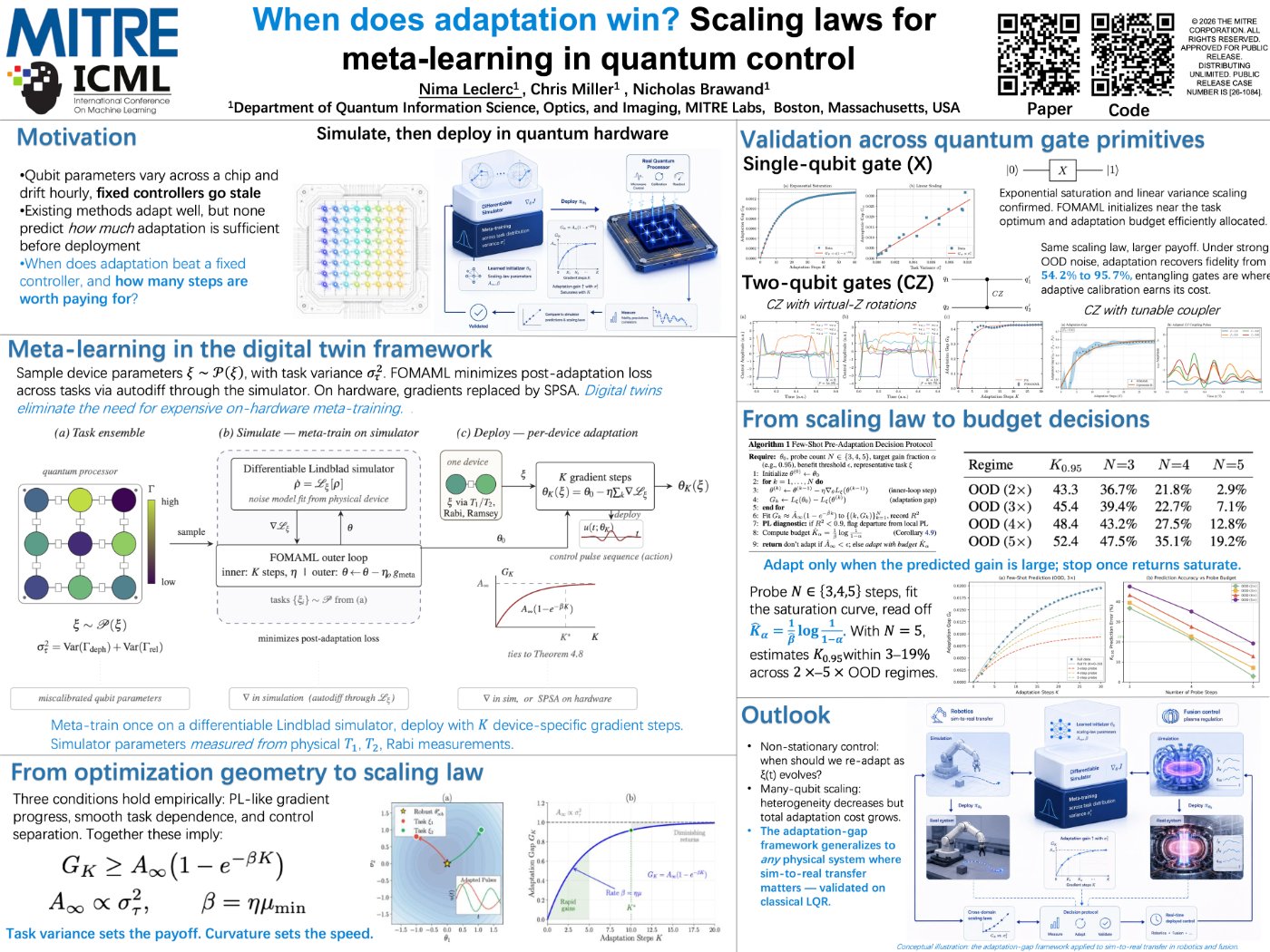
Once a device exists, it has to be controlled, and no two are alike. As a graduate student, I trained neural networks to predict how superconducting qubits evolve. At MITRE, with my colleagues, I derived scaling laws that tell engineers when it's worth letting a device adapt itself, and when a single robust setting is enough.
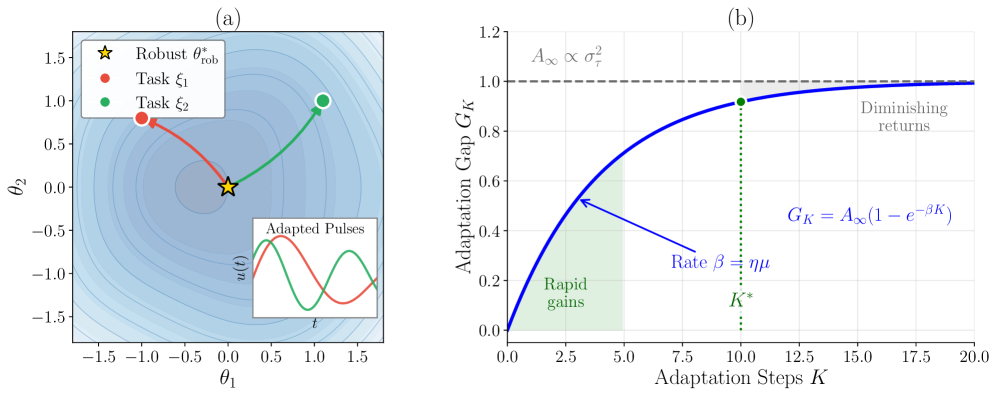
- 2026PaperWhen Does Adaptation Win? Scaling Laws for Meta-Learning in Quantum ControlLeclerc, Miller, Brawand · ICML 2026, Seoul
- 2026TalkFrom quantum sensors to quantum computersAI seminar series, Cornell University
- 2025PosterReinforcement learning-enabled sensitivity optimization of diamond quantum sensorsAI4Quantum, Novo Nordisk Foundation, Copenhagen
- 2021PaperPredicting dynamics of transmon qubit-cavity systems with recurrent neural networksLeclerc · arXiv
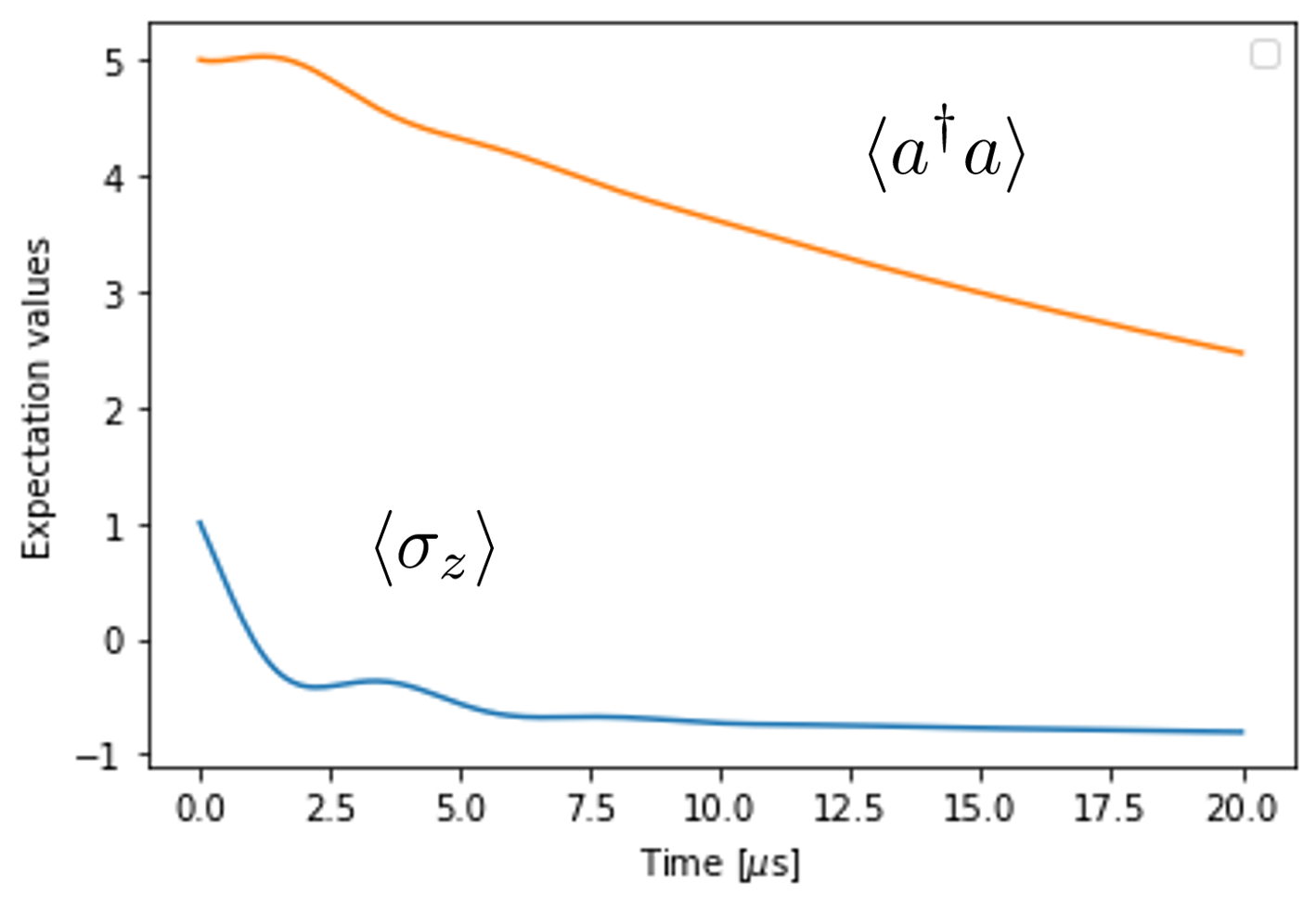
Digital twins of whole quantum systems
At MITRE, I brought the layers together. Our team built digital twins of diamond quantum sensors detailed enough to design new instruments in software first. That work produced Walsh Imaging, a way to capture magnetic fields that change in time and space at once, as well as compact magnetometers for navigating where GPS is unavailable, and a framework for tracing a sensor's limits back to their physical causes.
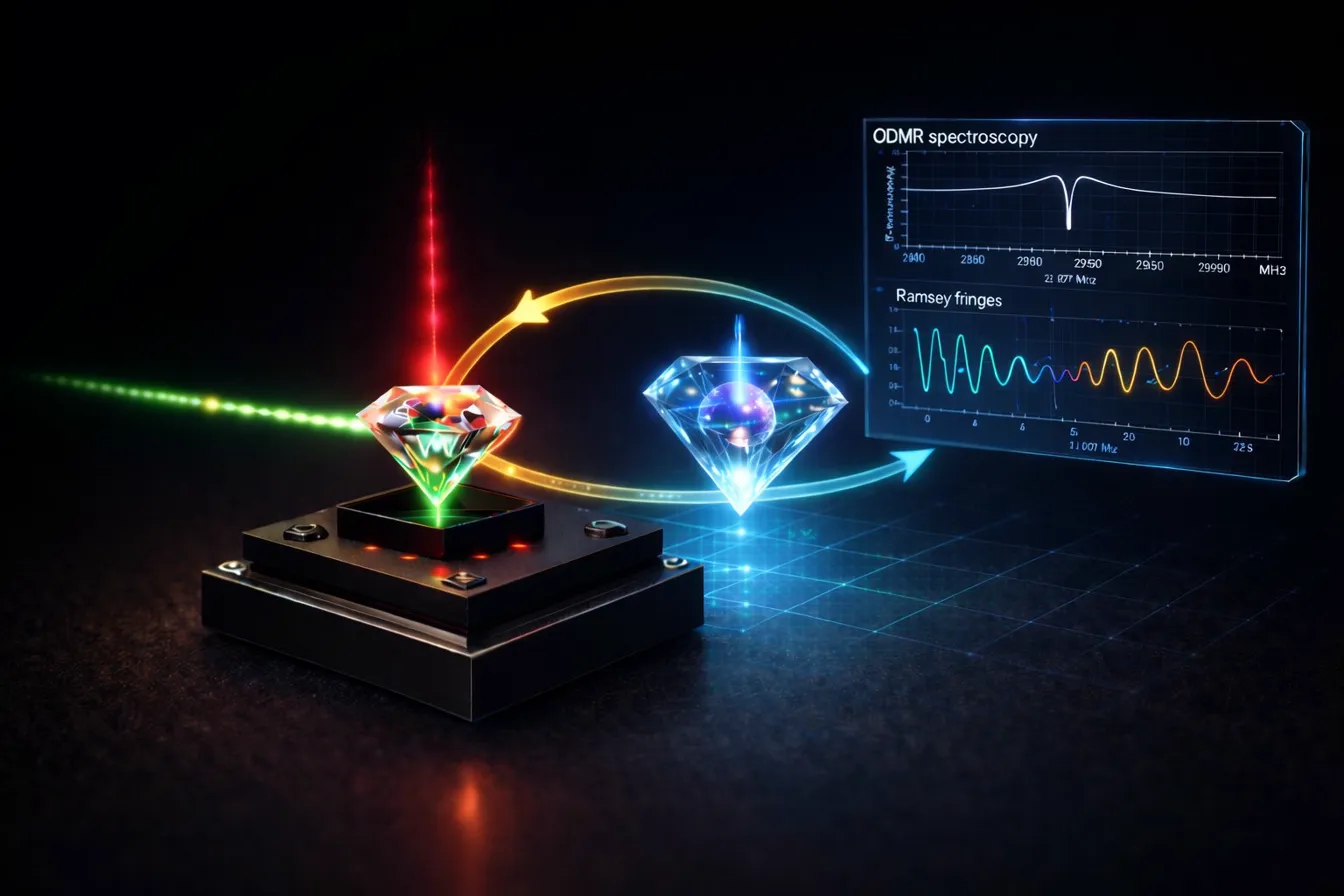
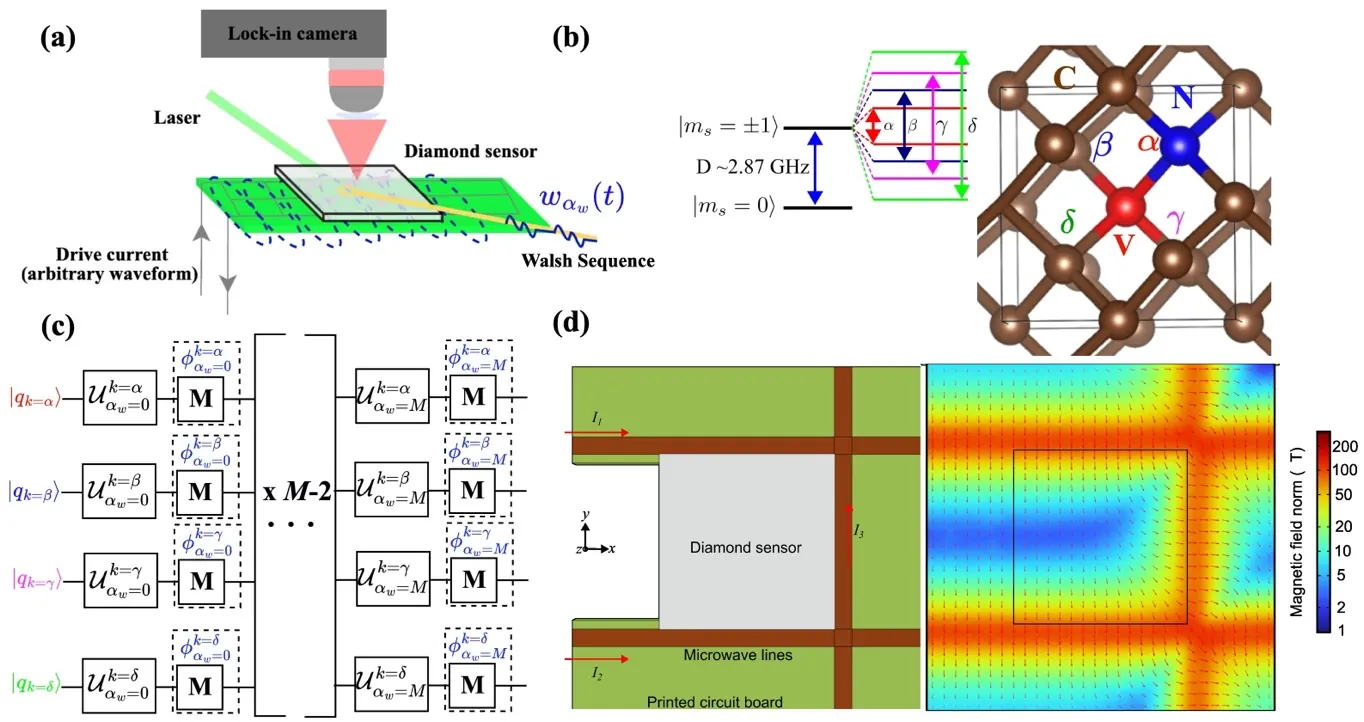
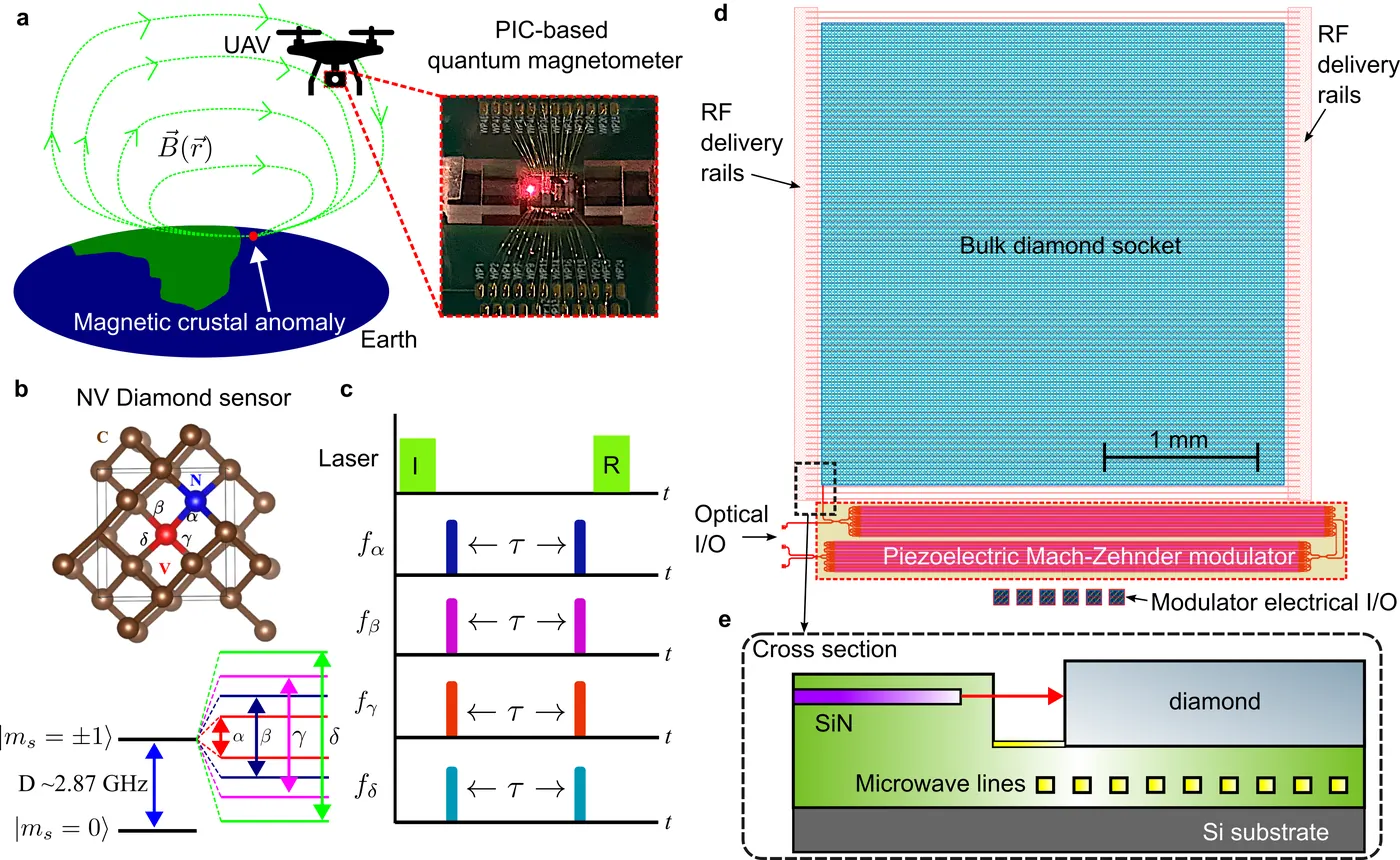
- 2026PaperBeyond Sensitivity: Mechanism-Resolved Error Budgets for Designing Quantum SensorsWith MITRE, NVIDIA, Quantum Brilliance and SandboxAQ · arXiv preprint, under review at npj Quantum Information
- 2026PatentSystems and Methods for Spatial, Temporal, and Vectorial Quantum SensingLeclerc, Dong · US 2026/0252935 A1 (MITRE)
- 2026TalkQuantum Australia Conference, Adelaide · Quantum.Tech USA · Deep Tech WeekInvited talks
- 2025PaperSpatiotemporal arbitrary waveform quantum sensingLeclerc, Oliver, Dong · CLEO: Applications and Technology
- 2025PaperMiniature magnetometers for magnetic navigation using NV diamond on piezoelectric photonic circuitsLeclerc, et al. · CLEO: Science and Innovations
- 2025TalkDigital twins for quantum sensorsNVIDIA GTC, San Jose · IEEE Quantum Week, Albuquerque
- 2024TalkNoise analysis and sensitivity optimization in NV-diamond magnetic imagingAPS March Meeting, Minneapolis · also session chair, Quantum Sensing
Now · Diraq
Putting all four layers together
As Principal Scientist for Digital Twins for Quantum Hardware at Diraq, I'm bringing this whole stack, from materials to control, to quantum computers built in silicon. In many ways it's where all of my earlier work was heading, and I feel lucky to work on it with an exceptional team.
Journey
How I got here
I grew up in Lafayette, California. My mother came to the U.S. from Iran after the revolution; my father is a chef. Neither path ran through a physics lab, but both taught me to build something from nothing, and I've had generous mentors at every step.
A chemistry lab at home
I built a small chemistry lab at home with a kit and parts ordered by mail. It's where I first fell for the idea that the physical world can be understood and engineered.
San Francisco State University
I started at SFSU, running NCAA cross country and giving my first conference talk, at the American Chemical Society, as a freshman.
Cornell University
I transferred to Cornell for Materials Science and Engineering as a Cornell Tradition Fellow, and took coursework well beyond my major. Research took me to Caltech as a SURF fellow, to Lawrence Berkeley National Lab and to Kepler Computing. An internship at PsiQuantum convinced me to devote myself to quantum technology.
University of Pennsylvania
As a Dean's Fellow in Electrical Engineering, I worked on silicon quantum processors. I also founded the Penn Quantum Engineering Graduate Association and was a Perry World House Graduate Fellow, studying the security implications of quantum technology.
MITRE
I joined MITRE and became Principal Investigator of the Adaptive Quantum Sensing Program, leading a 13-person, multi-institution team with partners including NVIDIA, Quantum Brilliance and SandboxAQ.
Arcturus
I co-founded Arcturus, a deep-tech due diligence firm that helps investors understand quantum, AI, semiconductor and advanced-materials companies before they commit capital.
Diraq
Principal Scientist, Digital Twins for Quantum Hardware.
 Principal Investigator
 Co-founder
 Dean's Fellow
 B.S.
 InternResearcher
 SURF Fellow
Policy
Quantum, and who
it leaves behind
Quantum computers will one day break much of the encryption the world relies on, and quantum-secure communication is so far available to only a handful of wealthy countries. I try to help the people who make policy understand both, early enough to act.
Op-ed · Just Security · May 2022
"A Quantum Sputnik Moment"
My essay looked at what China's advances in quantum technology mean for U.S. security, and what a U.S. response could look like. It was syndicated by Inside Quantum Technology.


- 2025CongressScience on the Hill: Planning for a Post-Quantum FutureBriefed members of Congress on the timeline for cryptographically relevant quantum computers and moving federal systems to post-quantum standards. Coverage
- 2025BriefingEmbassy of Australia, Washington, D.C.Invited by Austrade to brief the Australian ambassador, industry leaders and officials on U.S.–Australia quantum collaboration
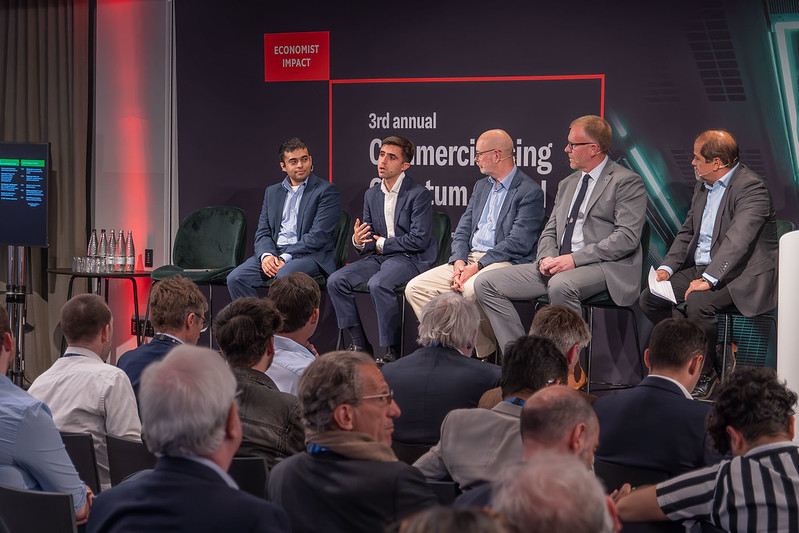
- 2024–25PanelsThe Economist Impact: Commercialising Quantum, LondonQuantum sensing and imaging; quantum navigation in GNSS-denied environments
- 2022ReportChallenges and Opportunities at the Dawn of the New Space AgeLeclerc, Rosen, Shattuck · Perry World House
- 2021–23FellowPerry World House Graduate Fellow, PennOne of 26 graduate fellows; worked with former heads of state, cabinet members and policy scholars on science and technology policy
- PennCommentComment to the Federal Trade Commission on bias in AI credit scoringPenn Science Policy and Diplomacy Group
Running
Miles before the lab

I've raced cross country and track since I was 12, starting on the trails of Briones Regional Park near home. Running taught me most of what I know about research: show up at 6 a.m. whether or not you feel like it, tune the details workout by workout, and trust that the results come later.
In high school, I raced the 1,600m, 3,200m and cross-country 5K, often finishing in the top ten at regional and state meets. That earned me a spot on San Francisco State's NCAA Division II cross-country team, where I raced the 8K and 10K. At Cornell, I moved up in distance with the track and running clubs, and in 2019 I placed second overall at the San Francisco Half Marathon.


Travel
45 countries,
six continents
Growing up between two cultures made me curious about everywhere else. Travel is also how I see what technology means outside the places that build it, which is what I write about in The Other Frontier. I usually come home with a piece of local art and a long list of questions. Most of these photos are from my Canon, which comes everywhere with me. They are grouped by region rather than by trip.
See the full gallery and map →
Middle East & the Nile · Saudi Arabia, Egypt
Escarpments, stone villages and the river
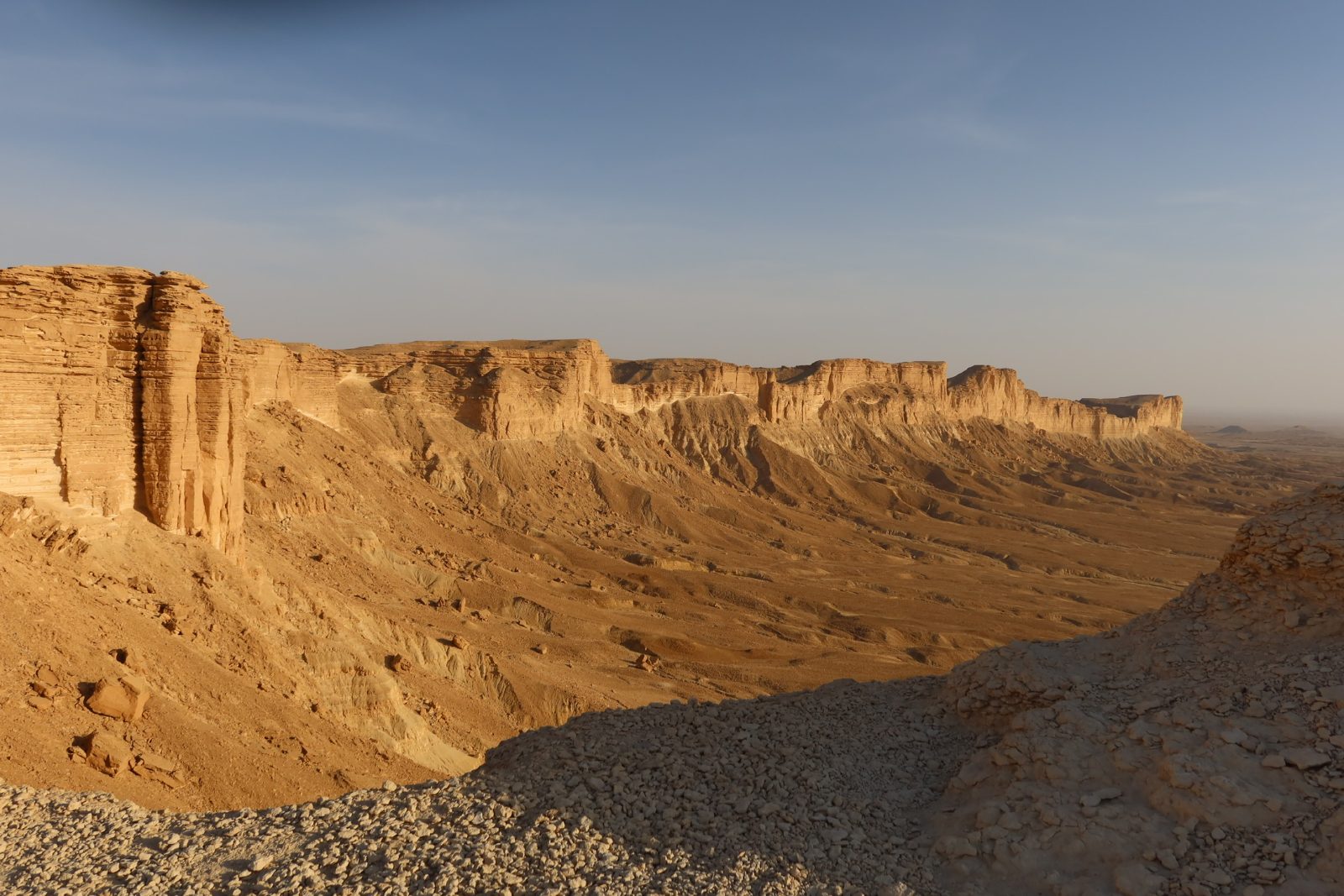
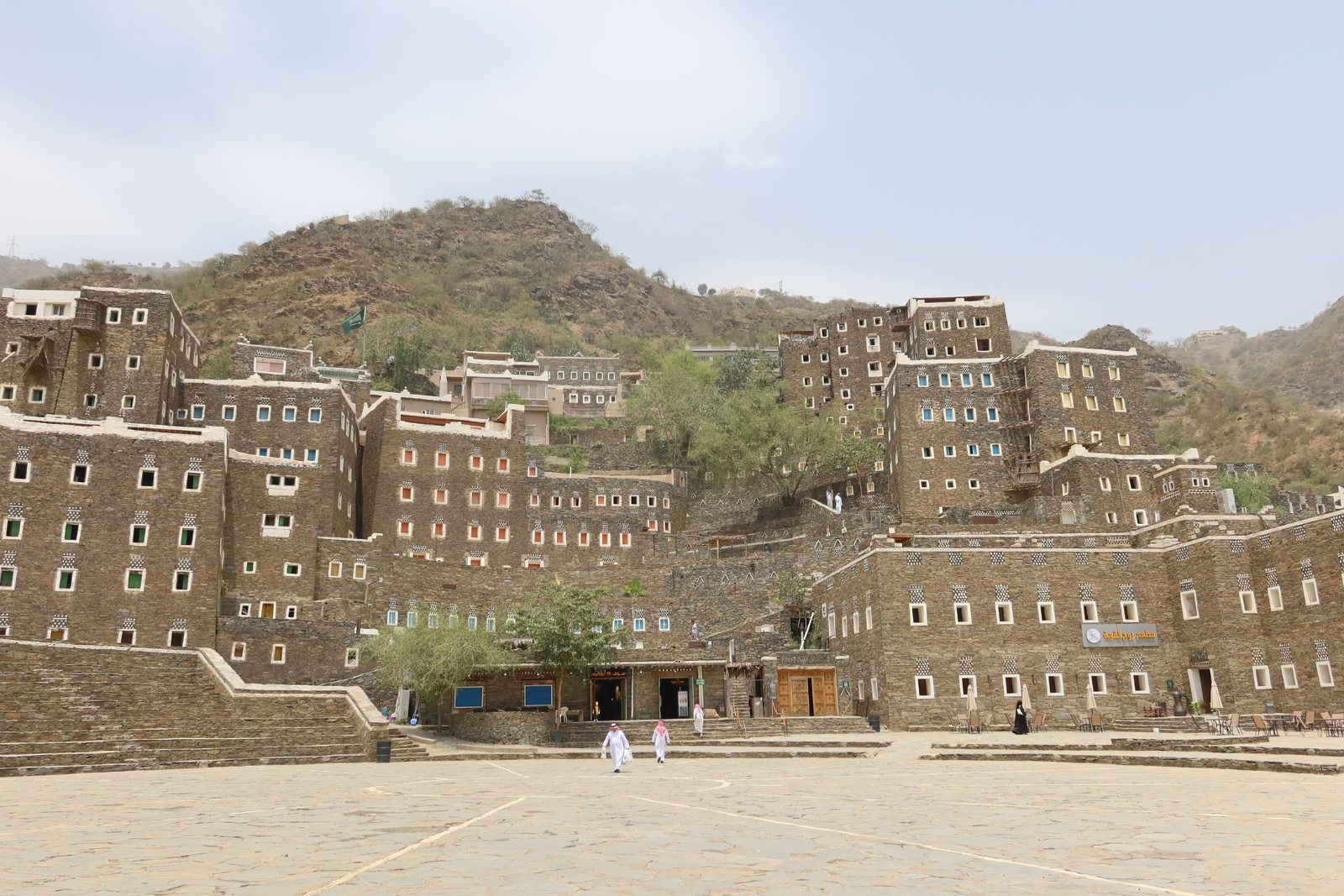
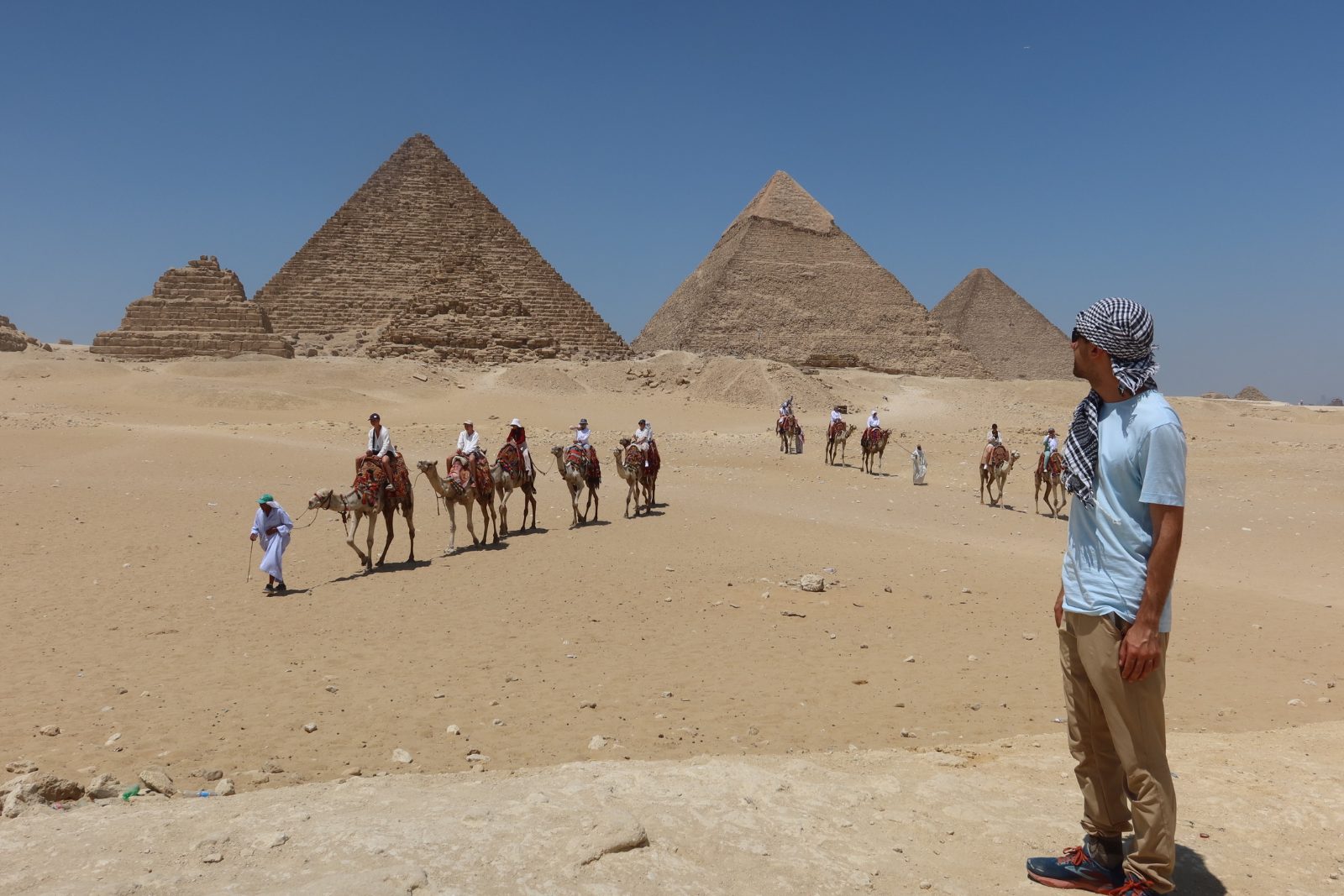
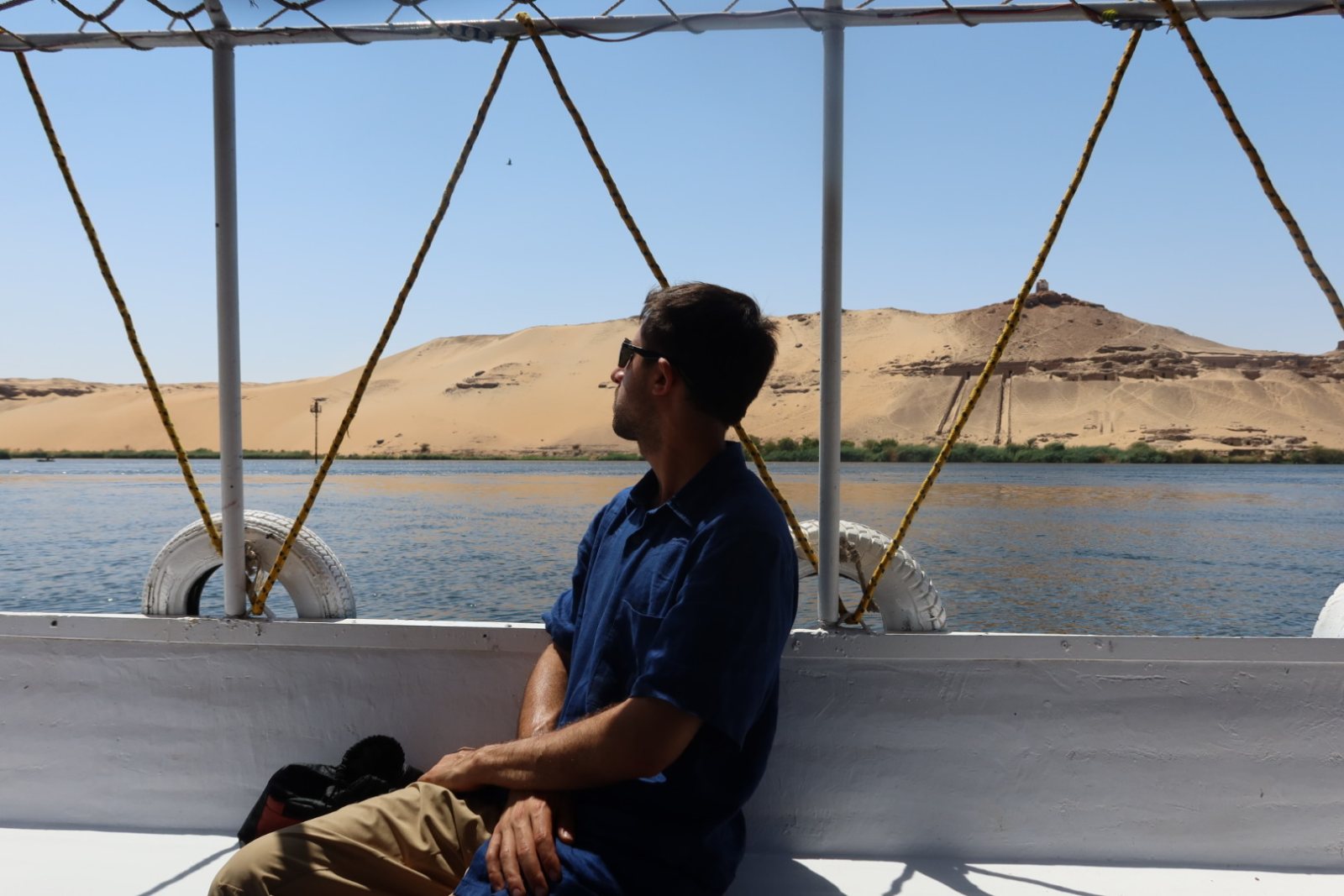
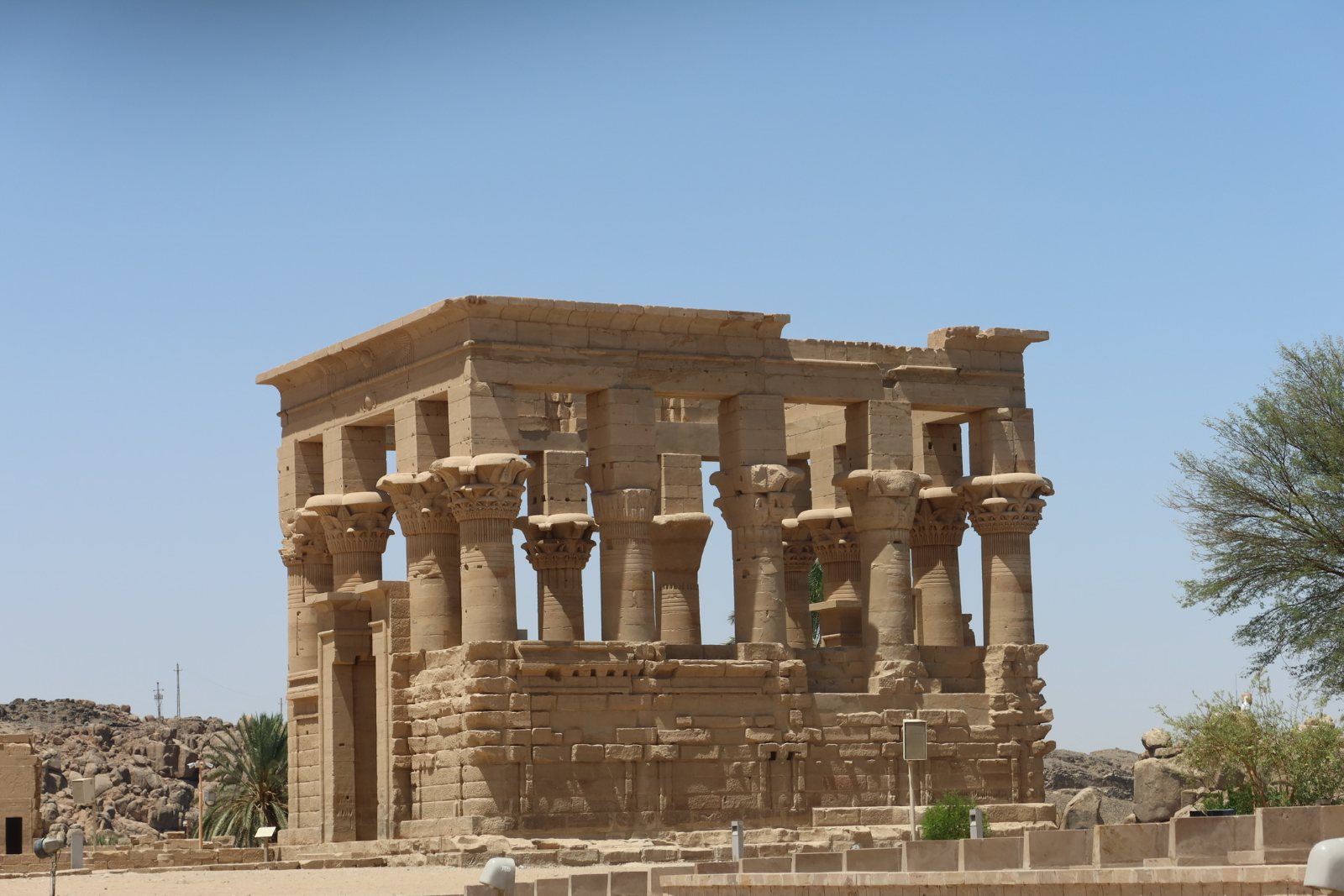
I started on the cliffs of the Tuwaiq Escarpment outside Riyadh, then went south into the Asir mountains to Rijal Almaa, a village of stone towers that once sat on a trade route between Yemen and the Levant. In Egypt I followed the Nile from Giza to Aswan, sailing a felucca past Nubian villages and visiting the temple of Isis at Philae.
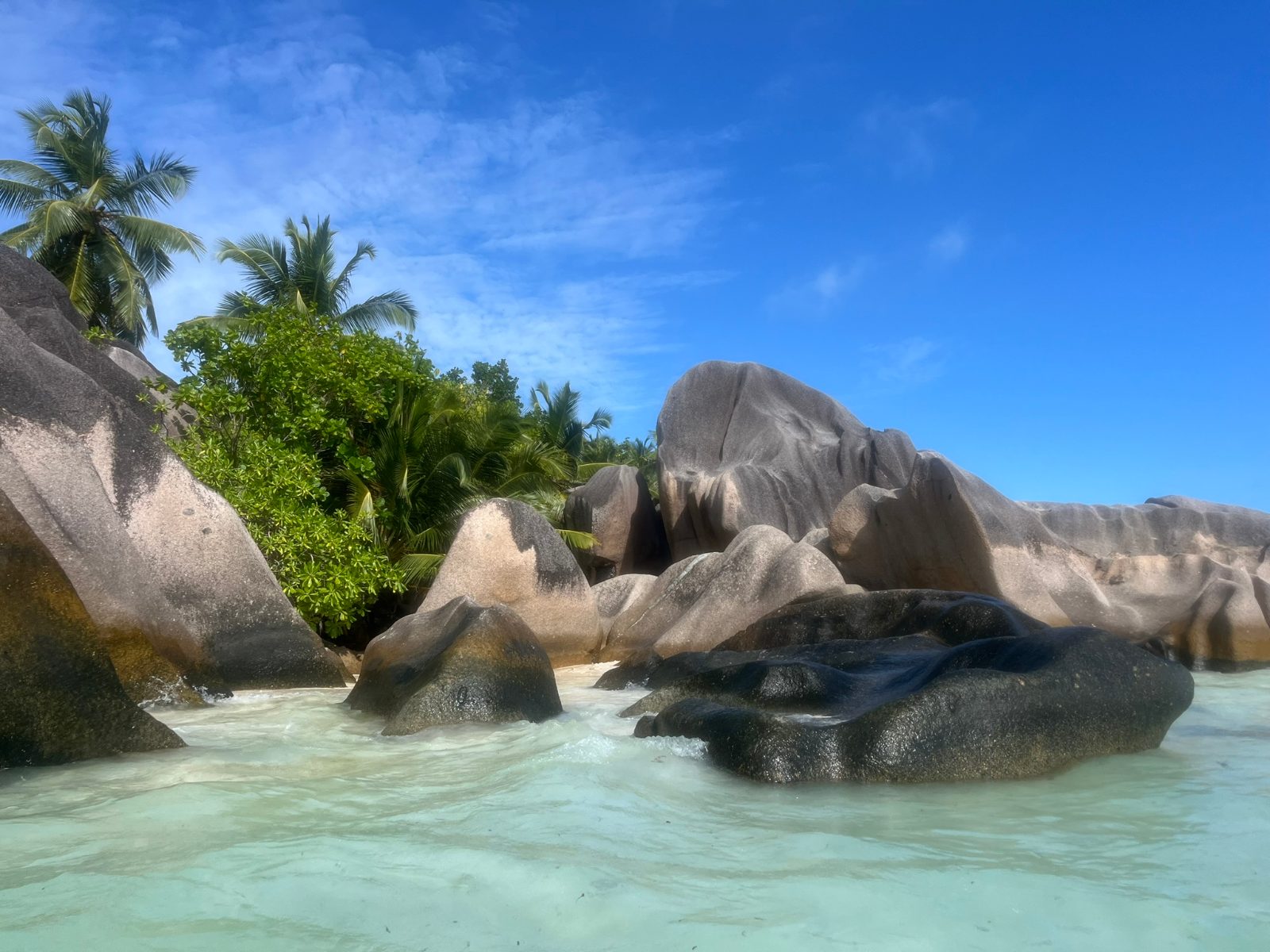
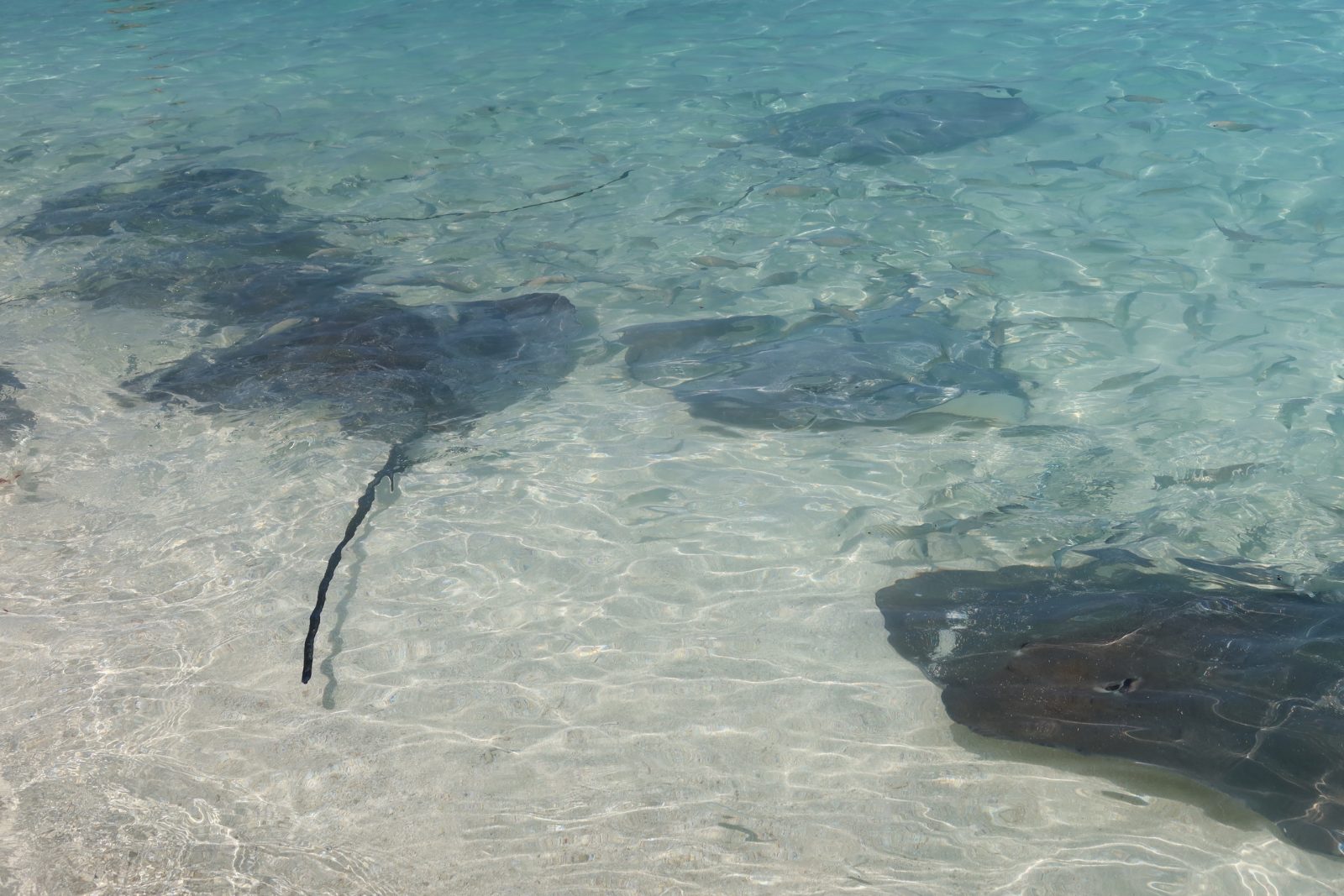
East Africa & the Indian Ocean · Tanzania, Seychelles, Maldives
A night with lions
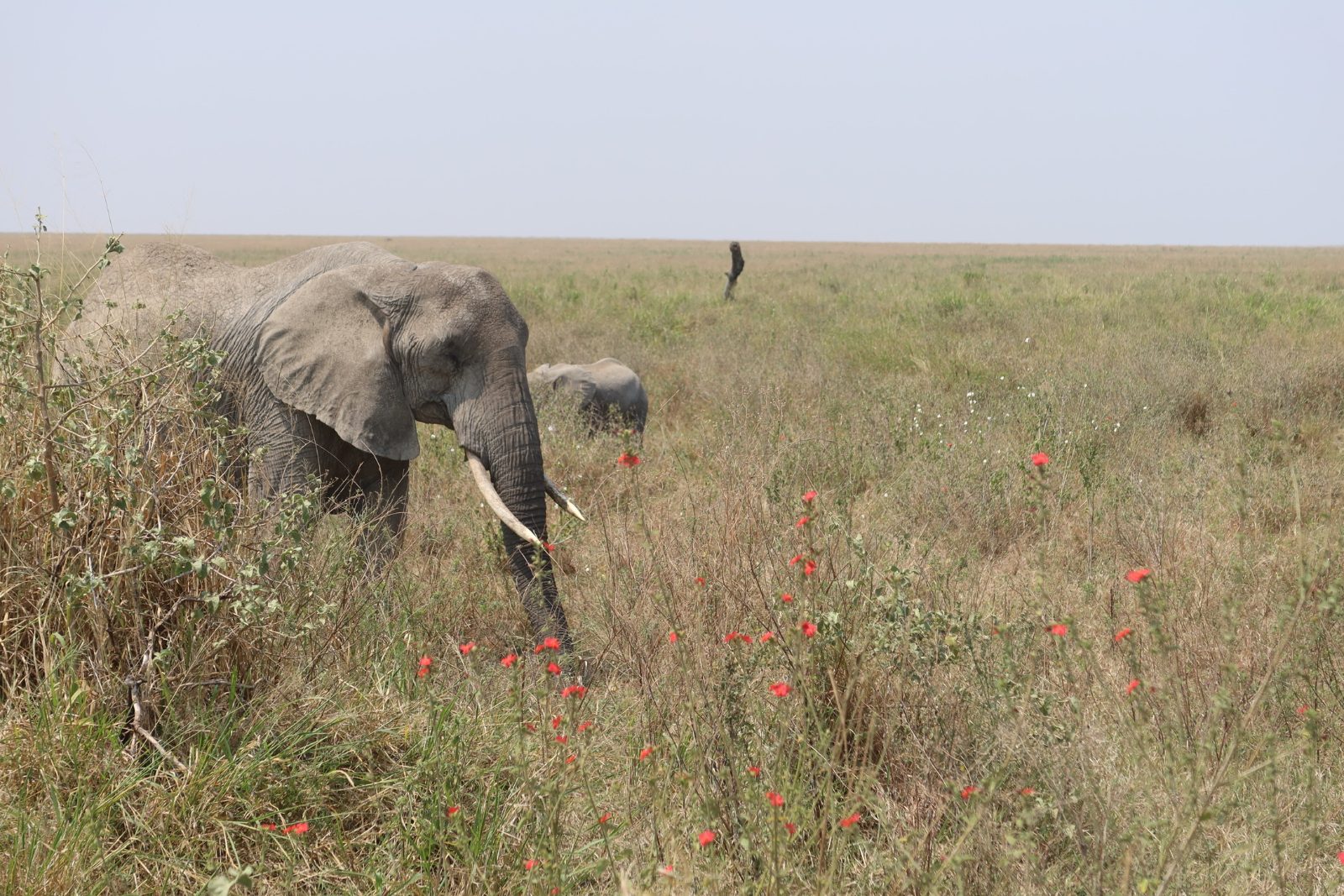
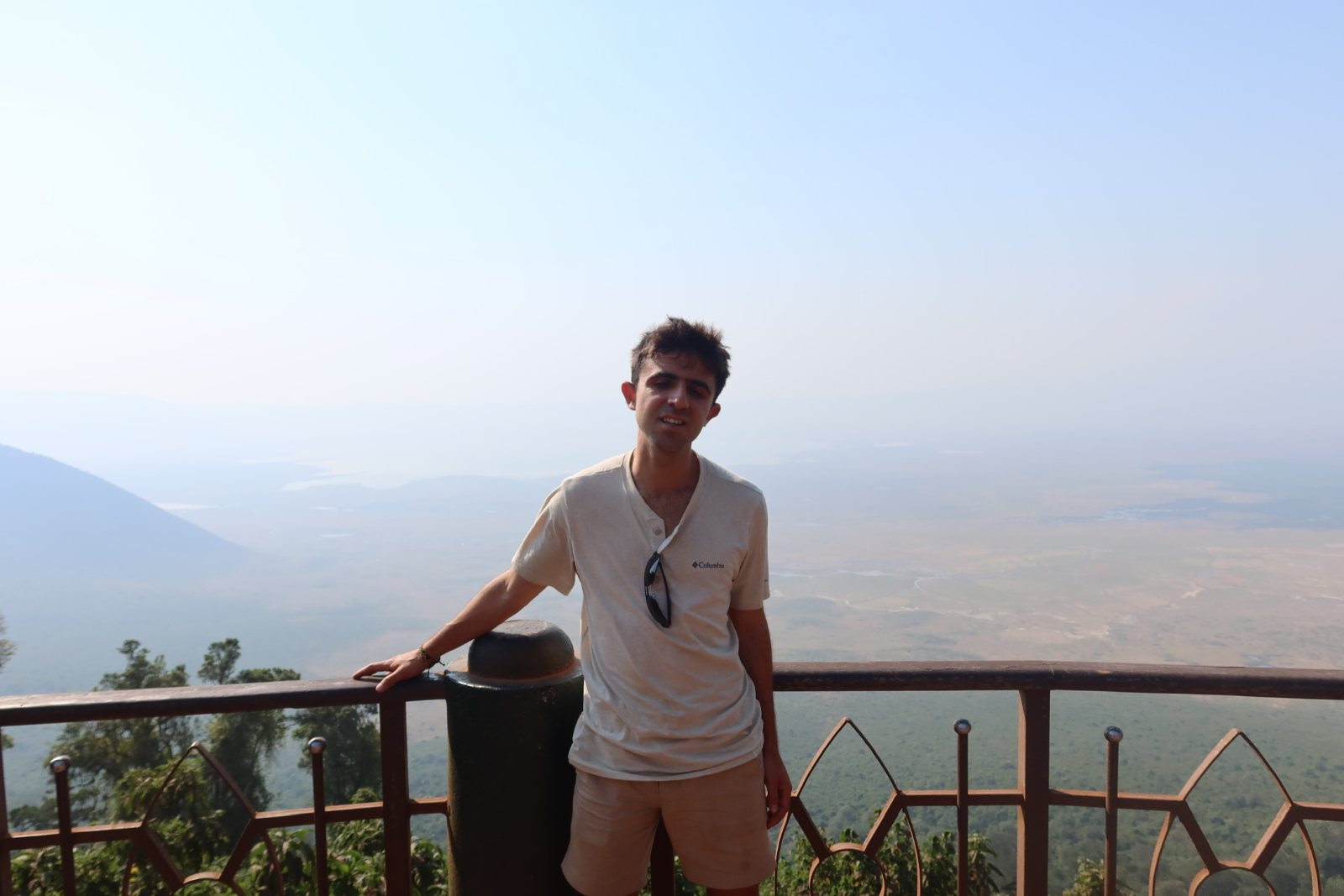
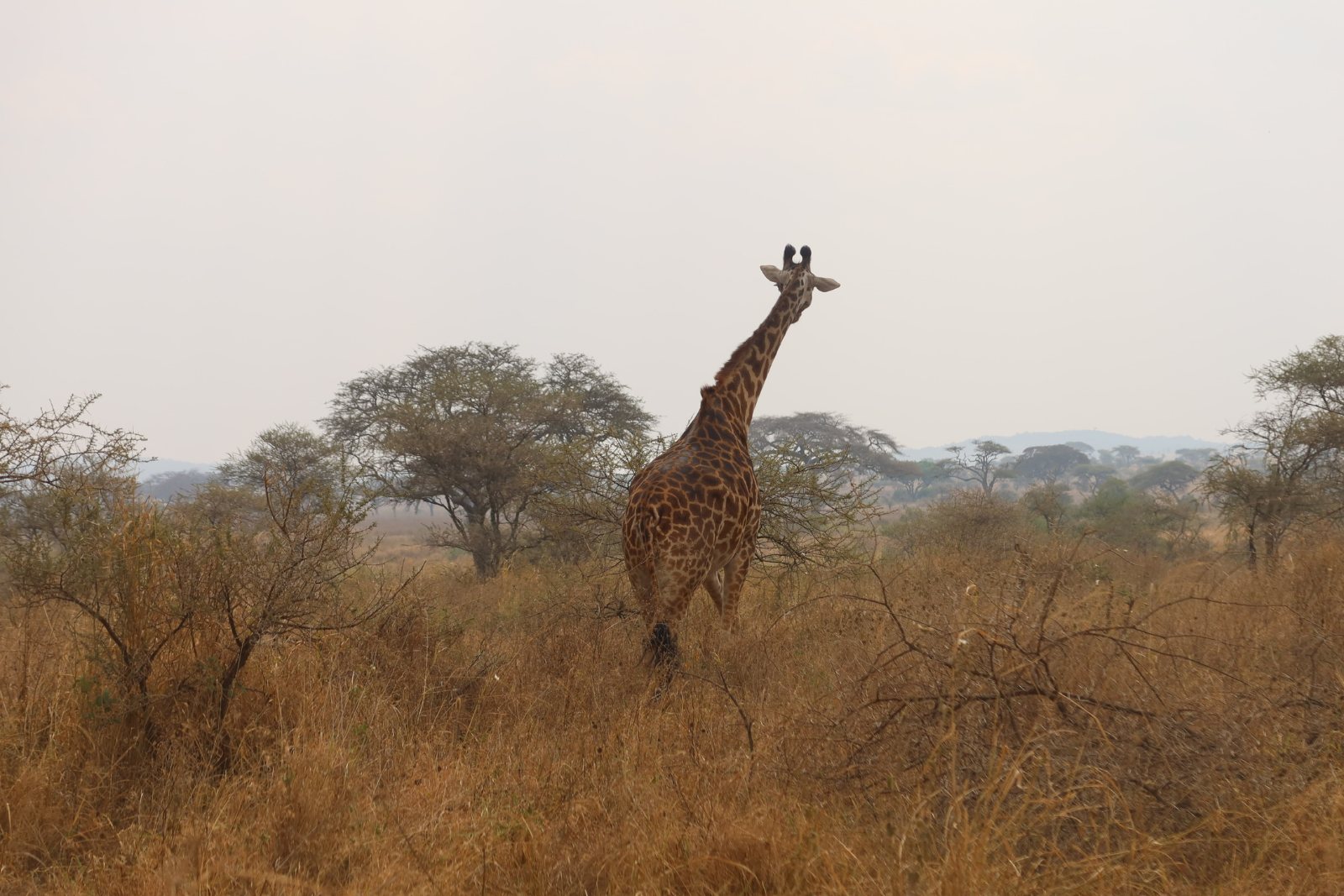
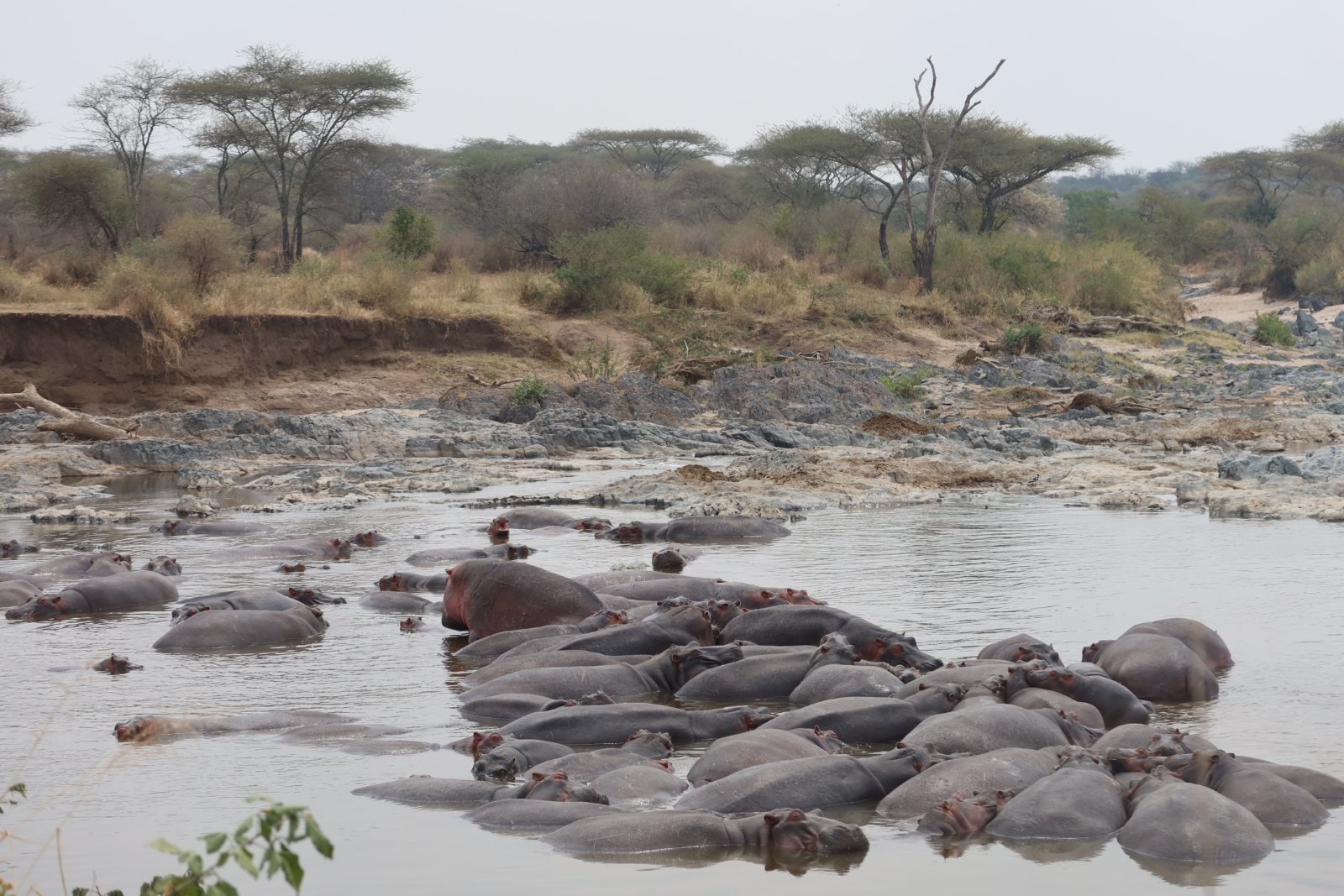
We camped through the Ngorongoro highlands and the Serengeti in a tent on the roof of our car. One night a group of five lions walked through camp and roared directly beneath us. We stayed very still and very awake. It is the most humbling night I have spent outdoors, and a good reminder of how small we are out there.
North & West Africa · Tunisia, Senegal
Rome, the Sahara and the Atlantic
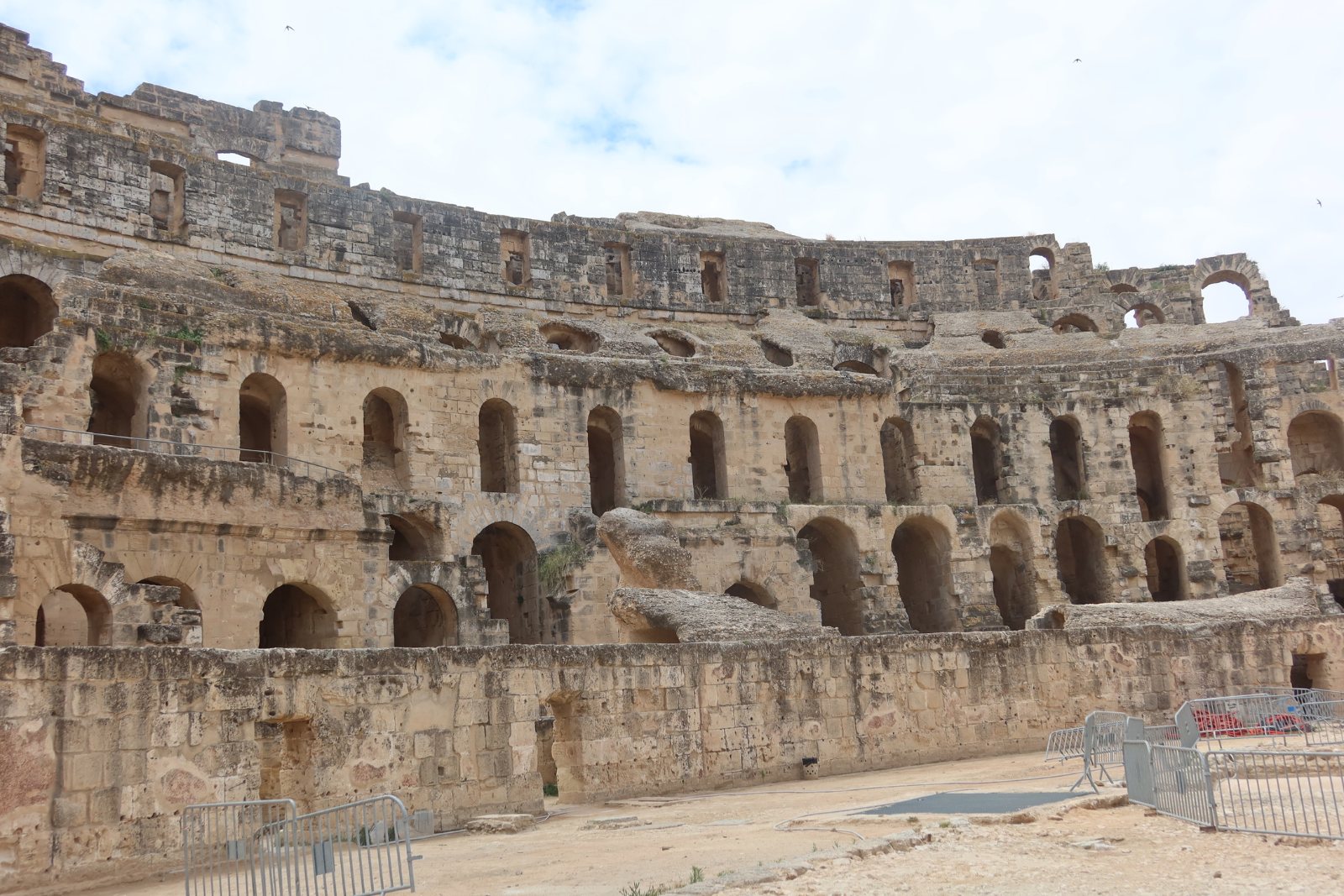
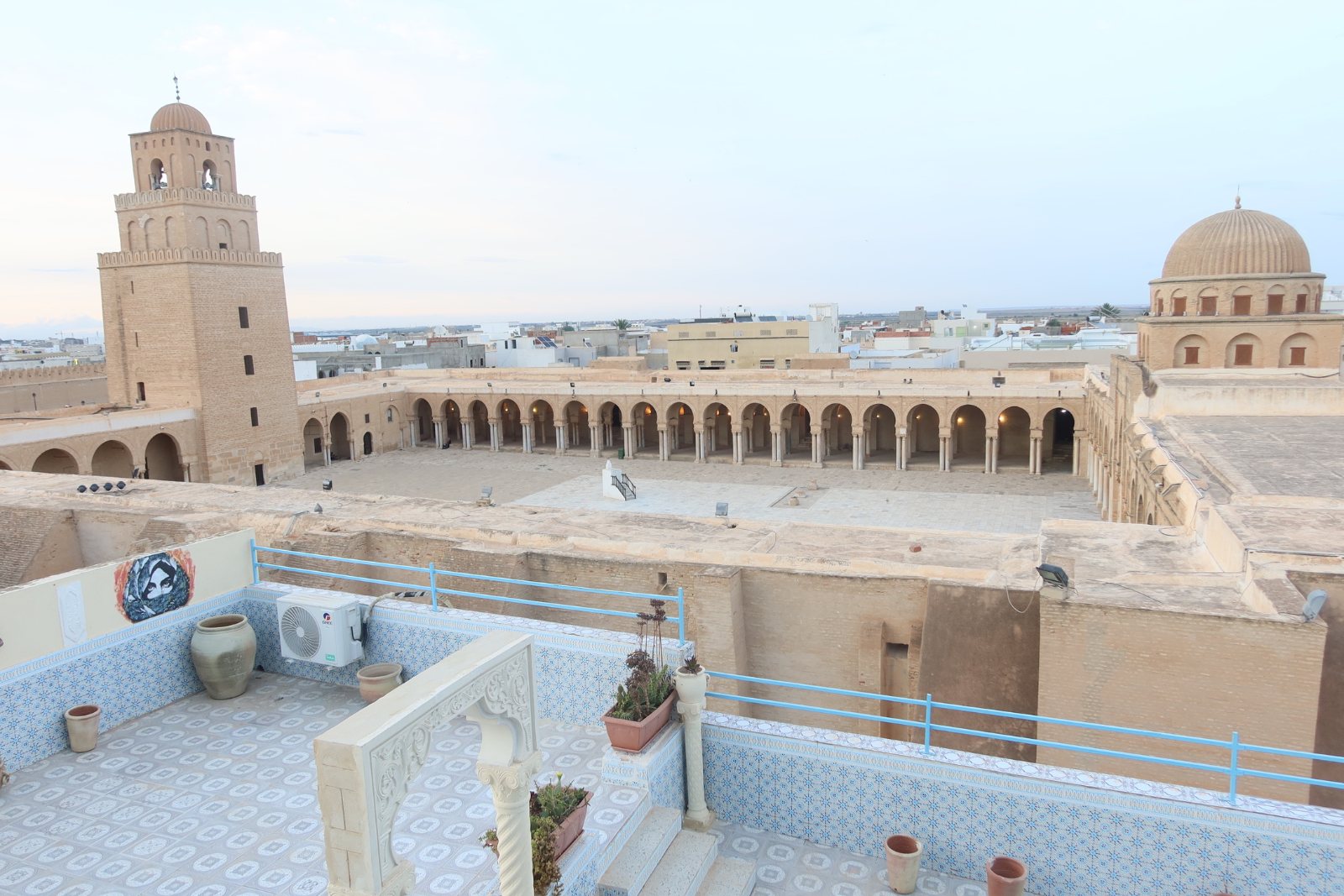
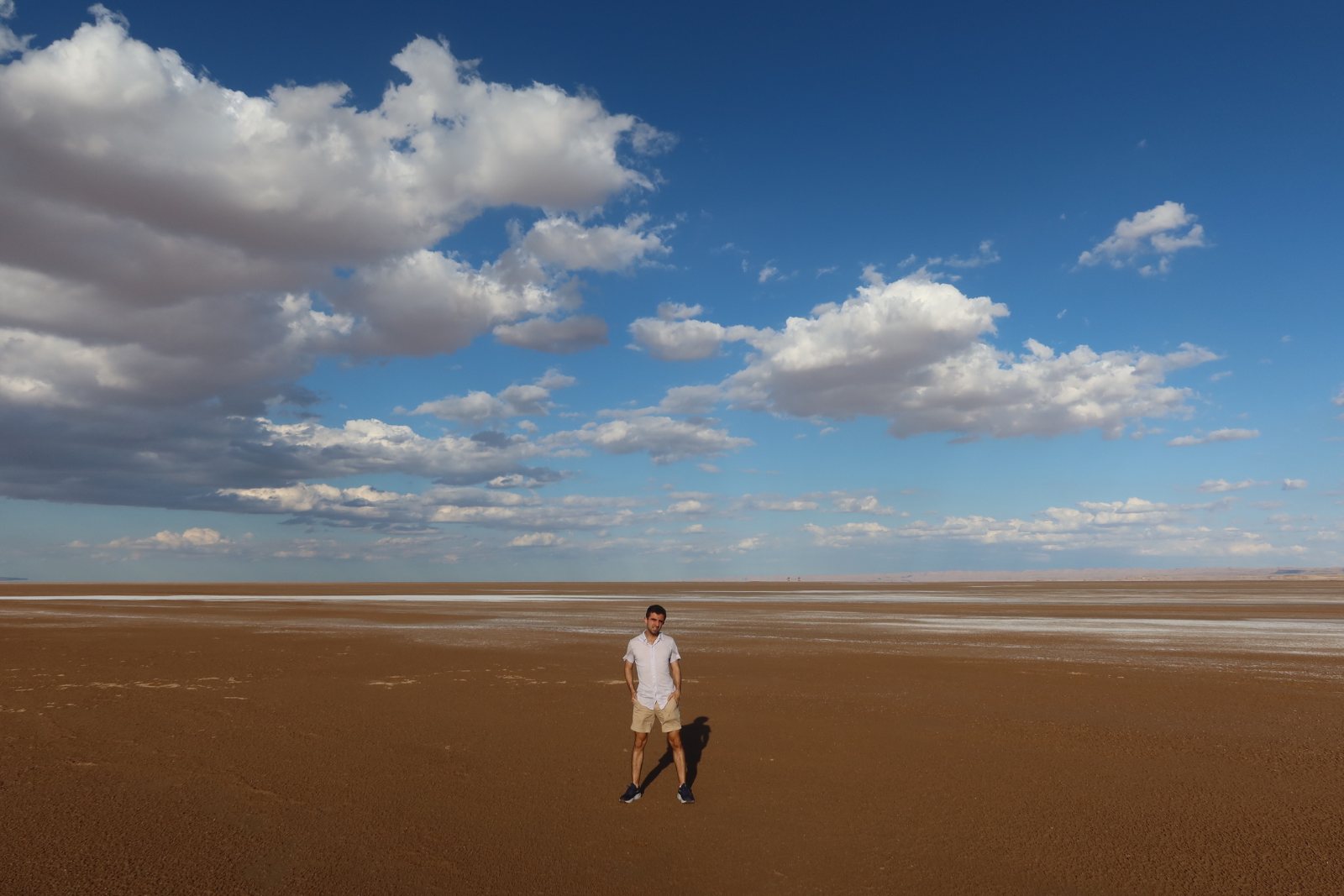
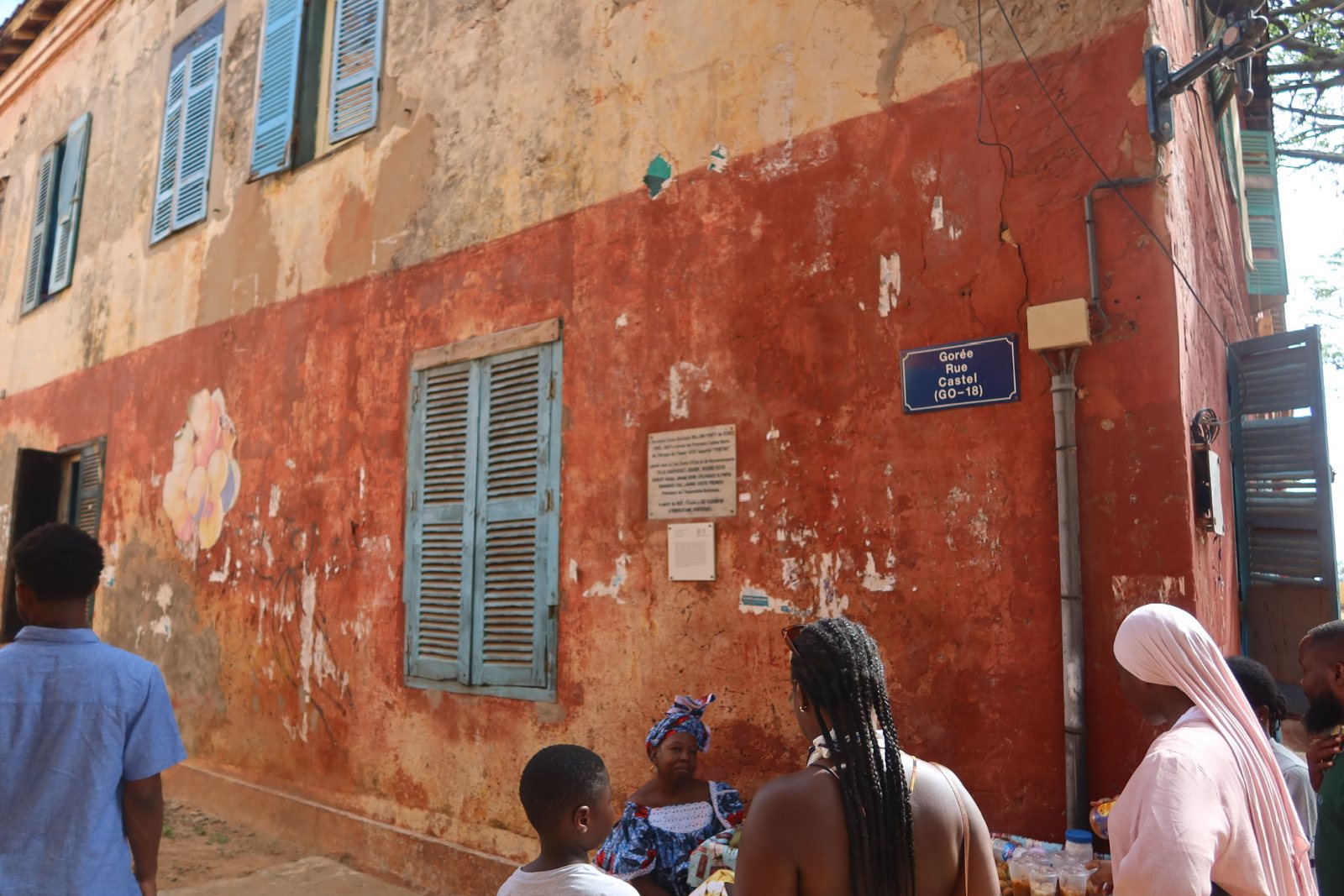
In Tunisia I went from the Roman amphitheatre at El Jem and the Great Mosque of Kairouan to the salt flats of Chott el Jerid and the fortified granaries near Tataouine. In Senegal I took the ferry to Gorée Island, whose history of the Atlantic slave trade stays with you, and watched the sun go down from Ngor at the western tip of the continent.

The Caucasus & Anatolia · Türkiye, Azerbaijan, Georgia
Where Europe and Asia blur
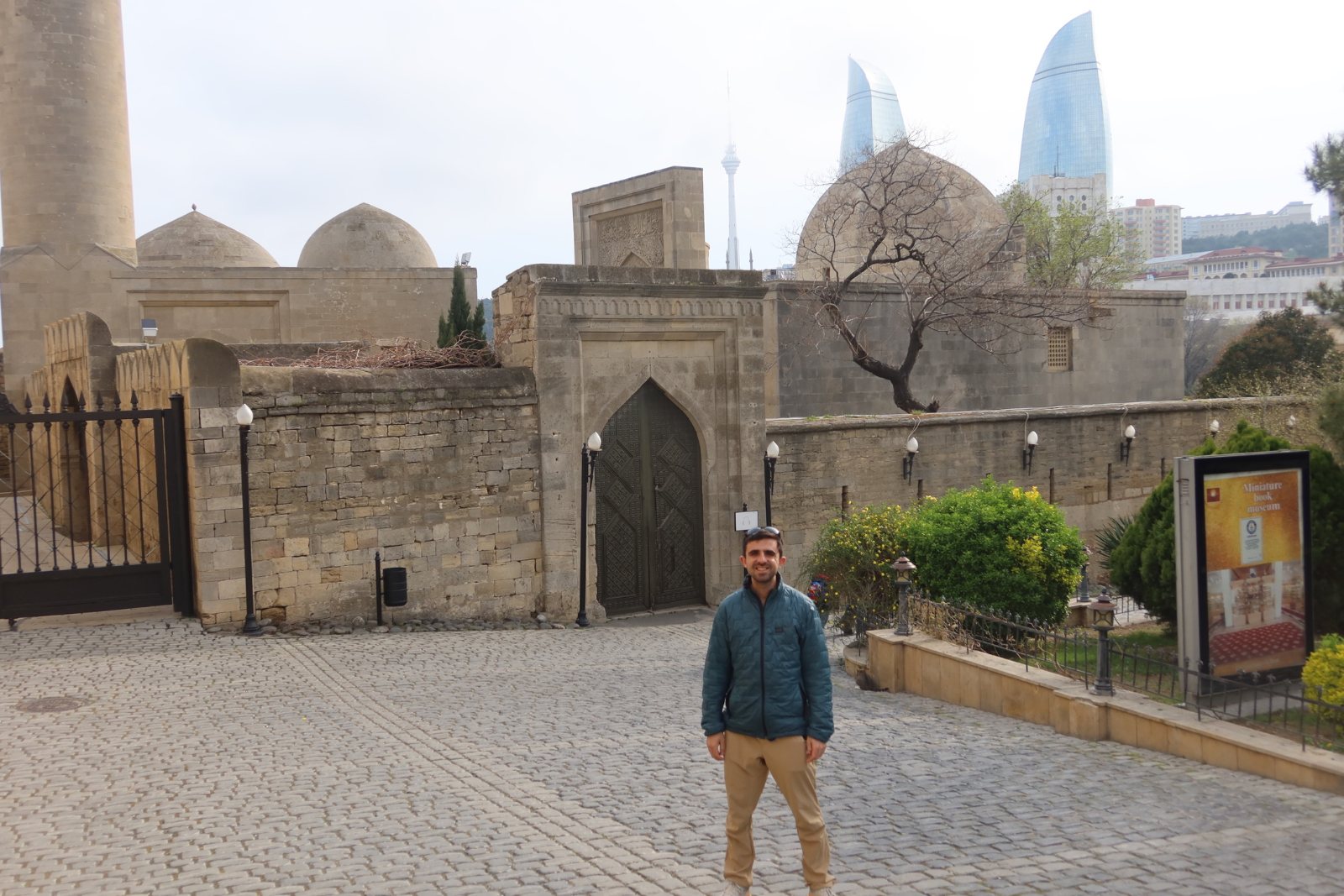
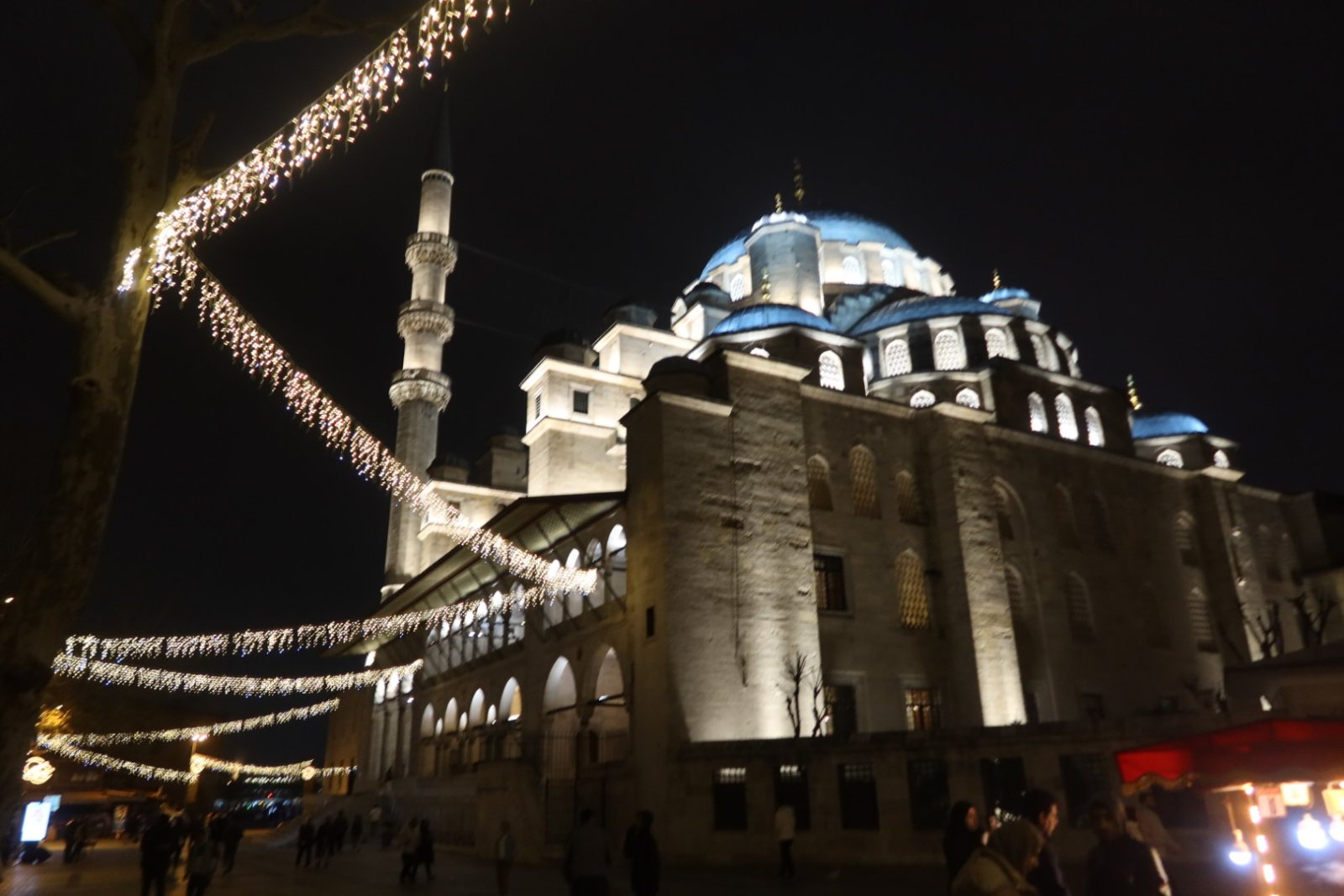
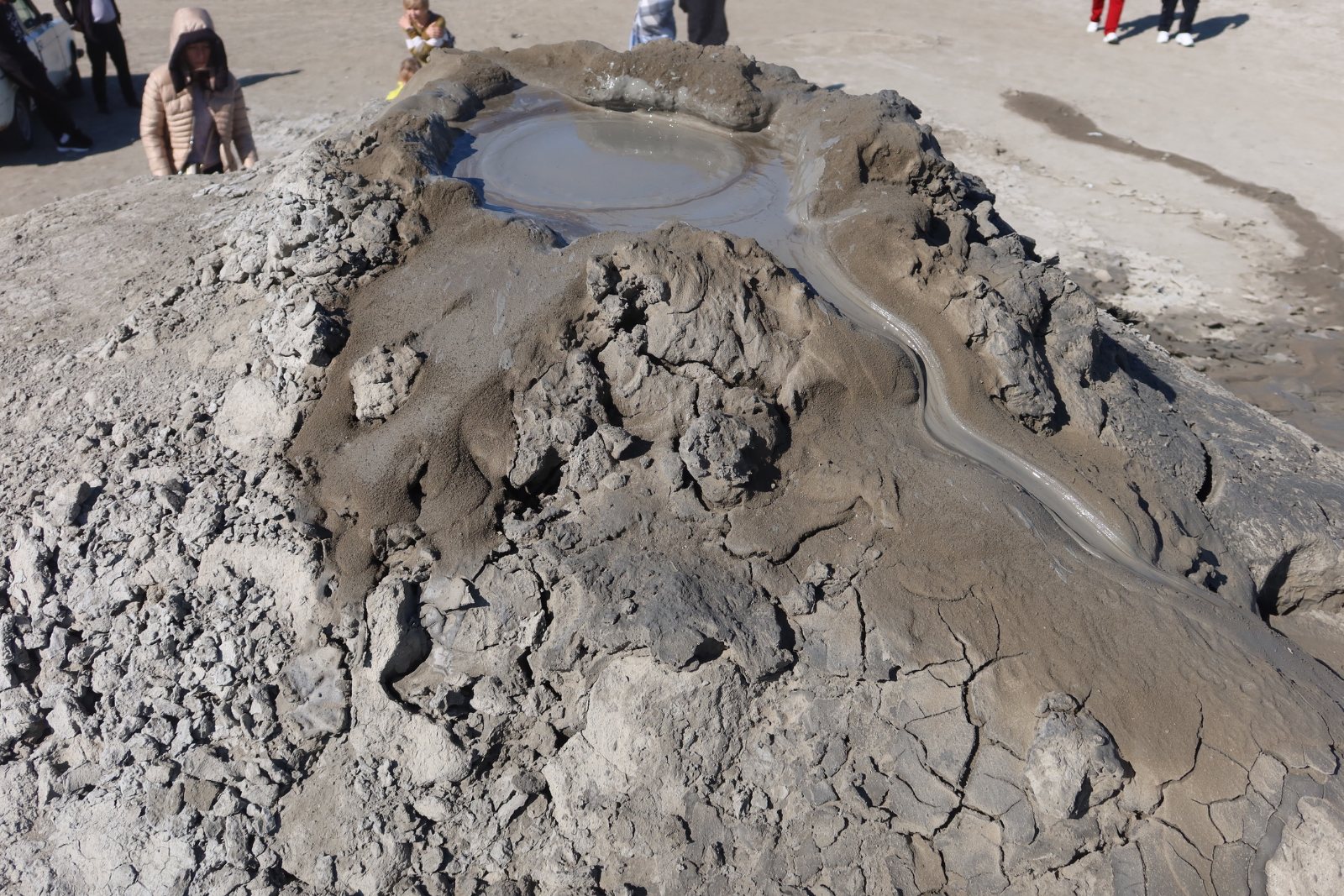
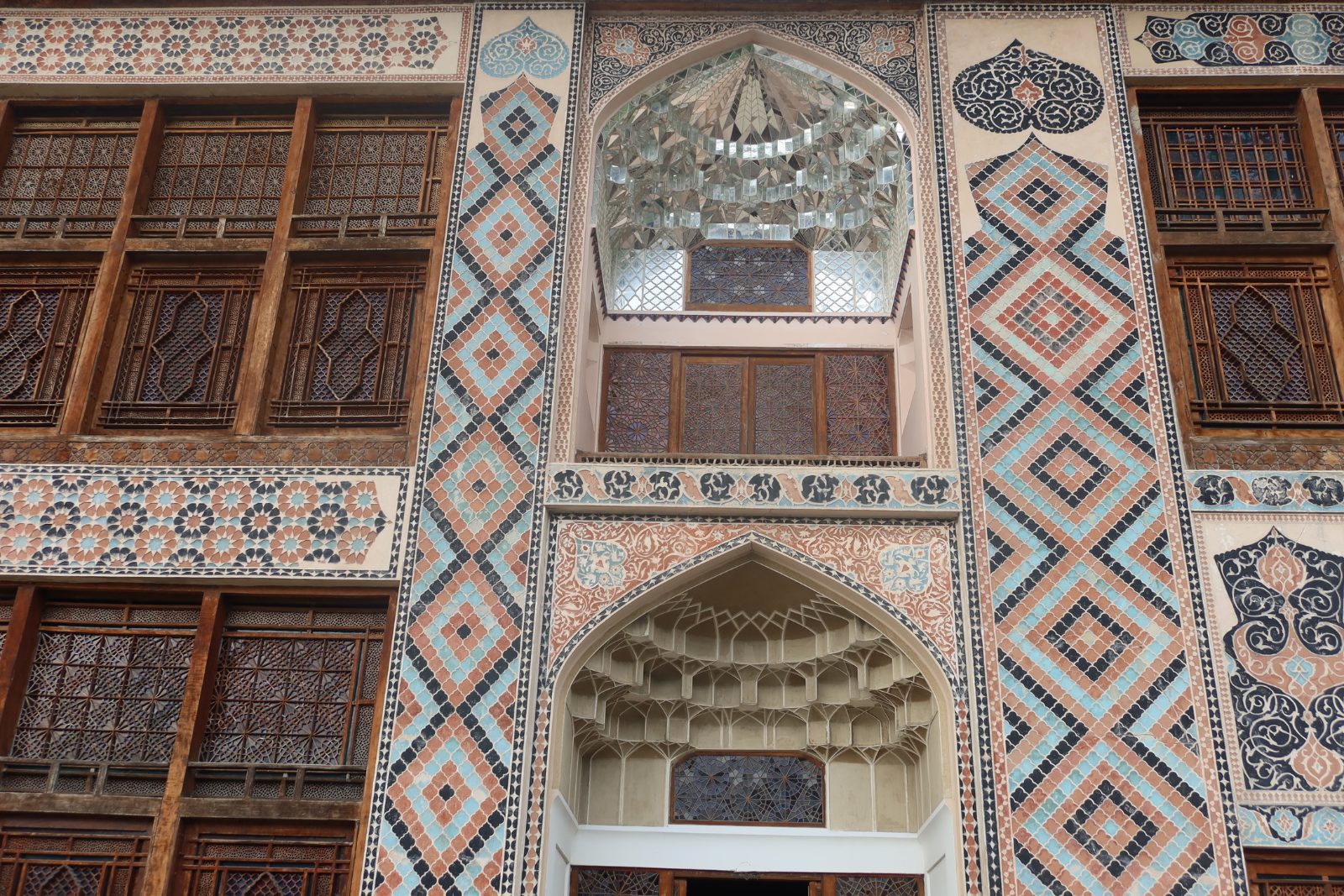
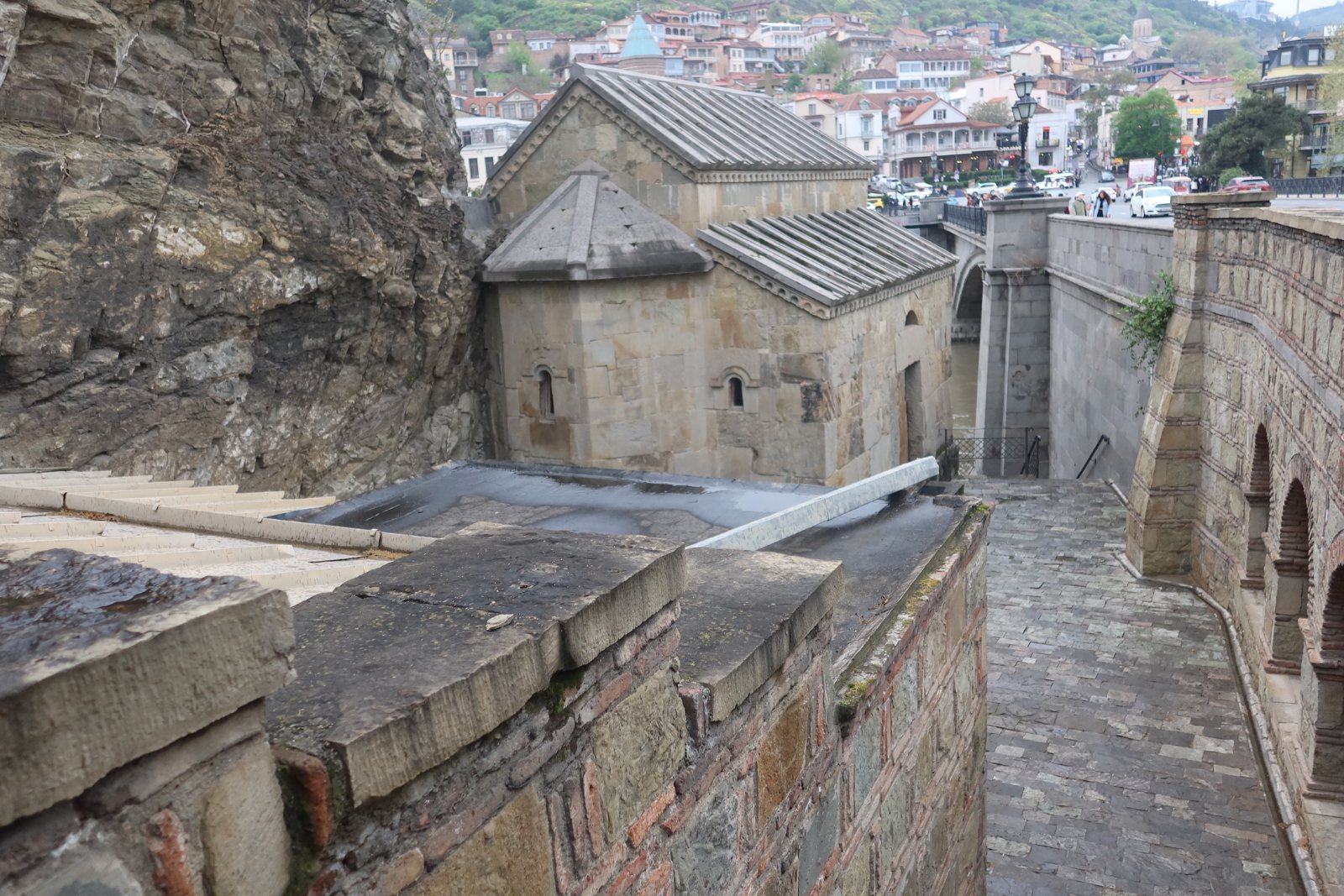
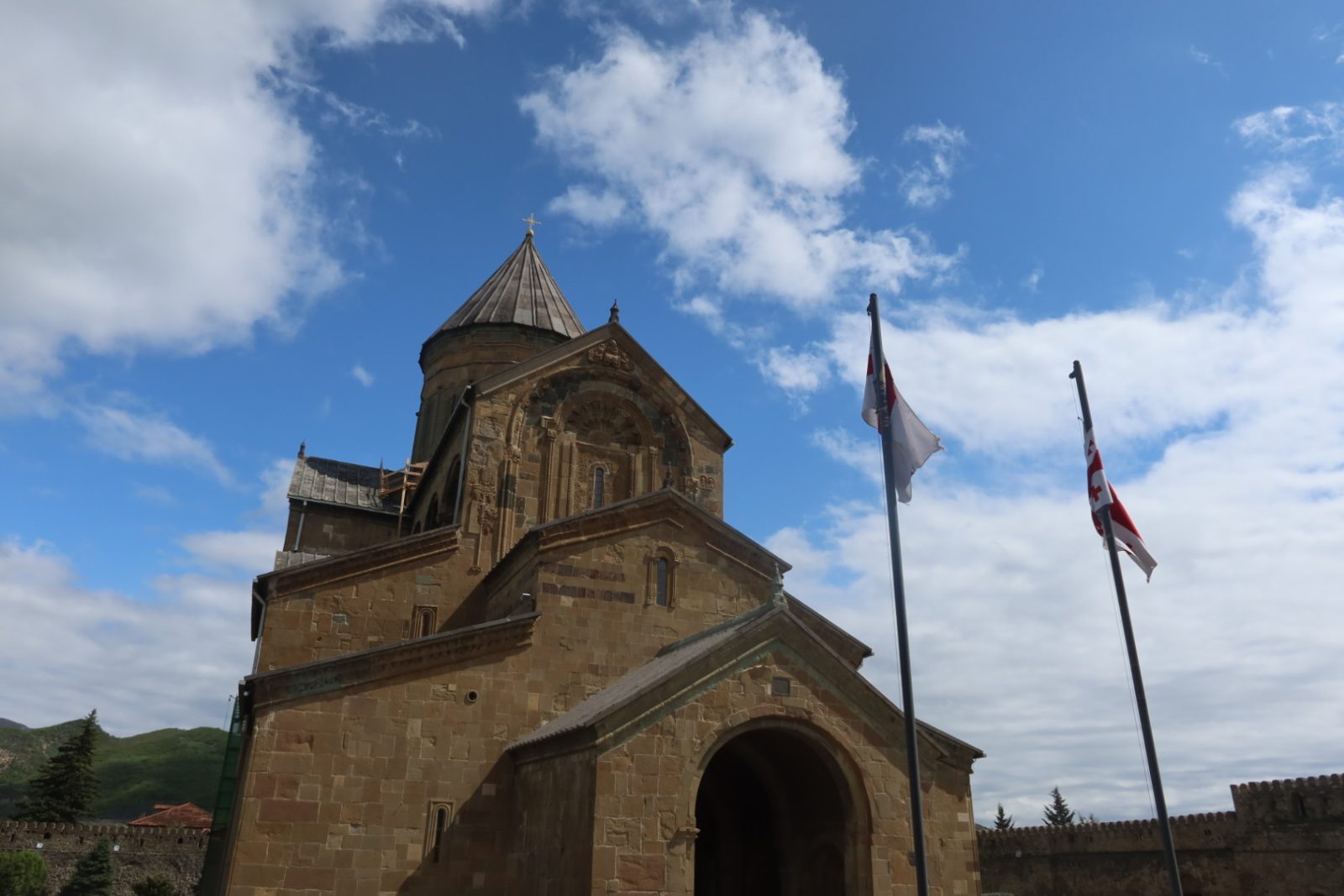
From Istanbul I flew to Baku, where the Flame Towers rise over the medieval walled city and the whole place felt like the set of a spy film. Outside the city, mud volcanoes bubble quietly on the steppe. I then drove northwest through Sheki and across the border into Georgia, ending in Tbilisi and at Jvari Monastery above the meeting of two rivers.
South Asia · India, Sri Lanka
Forts, folk music and elephants
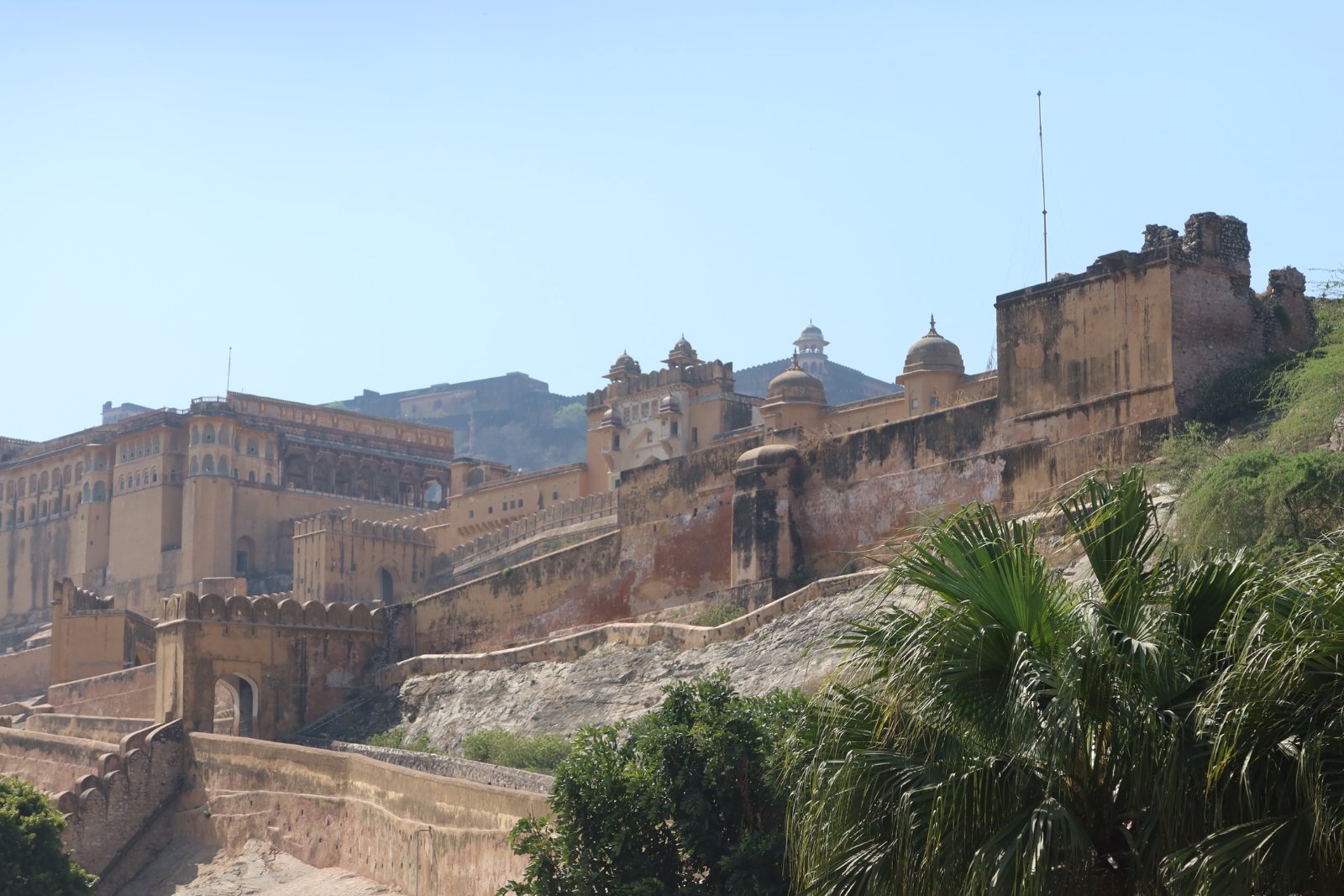
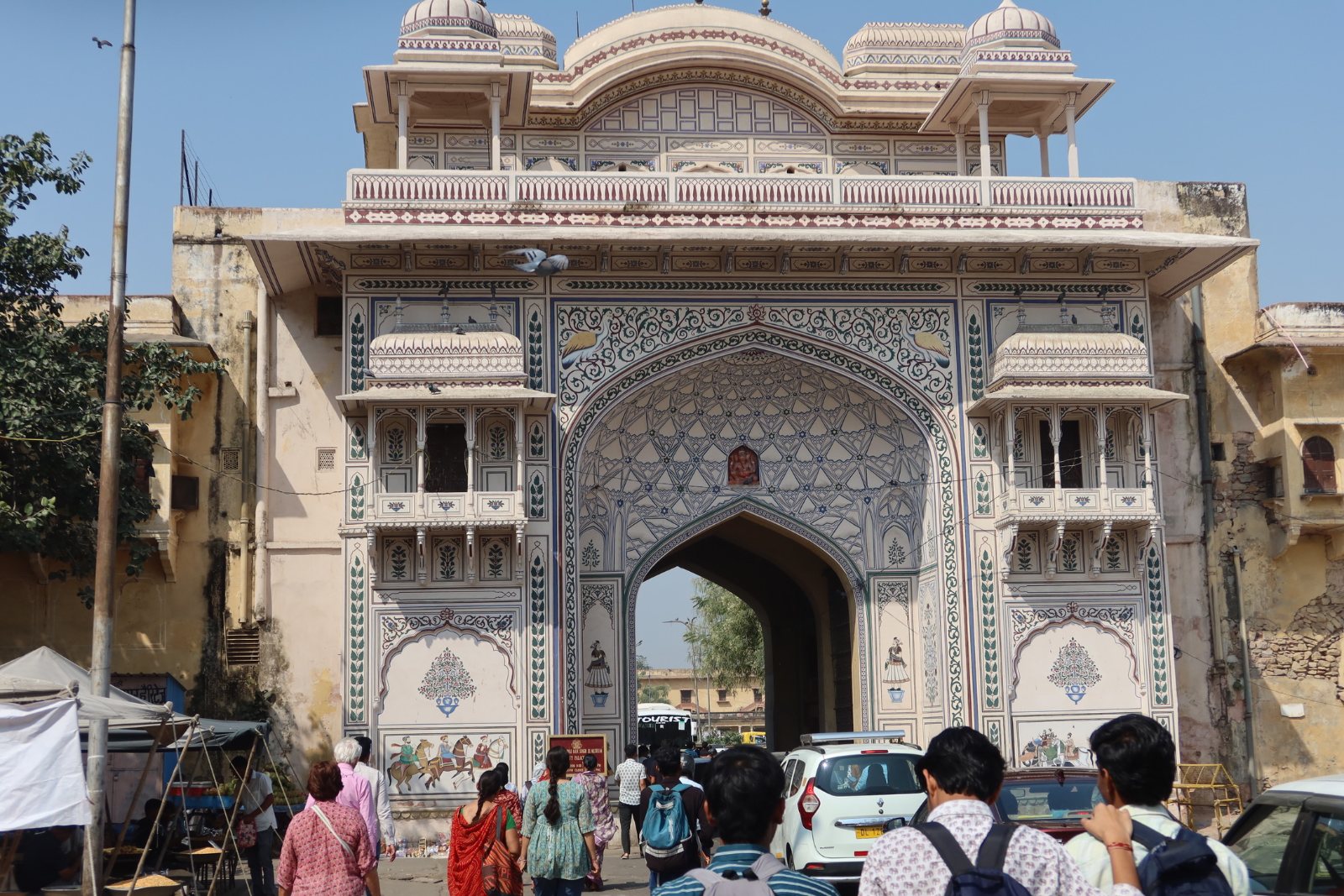
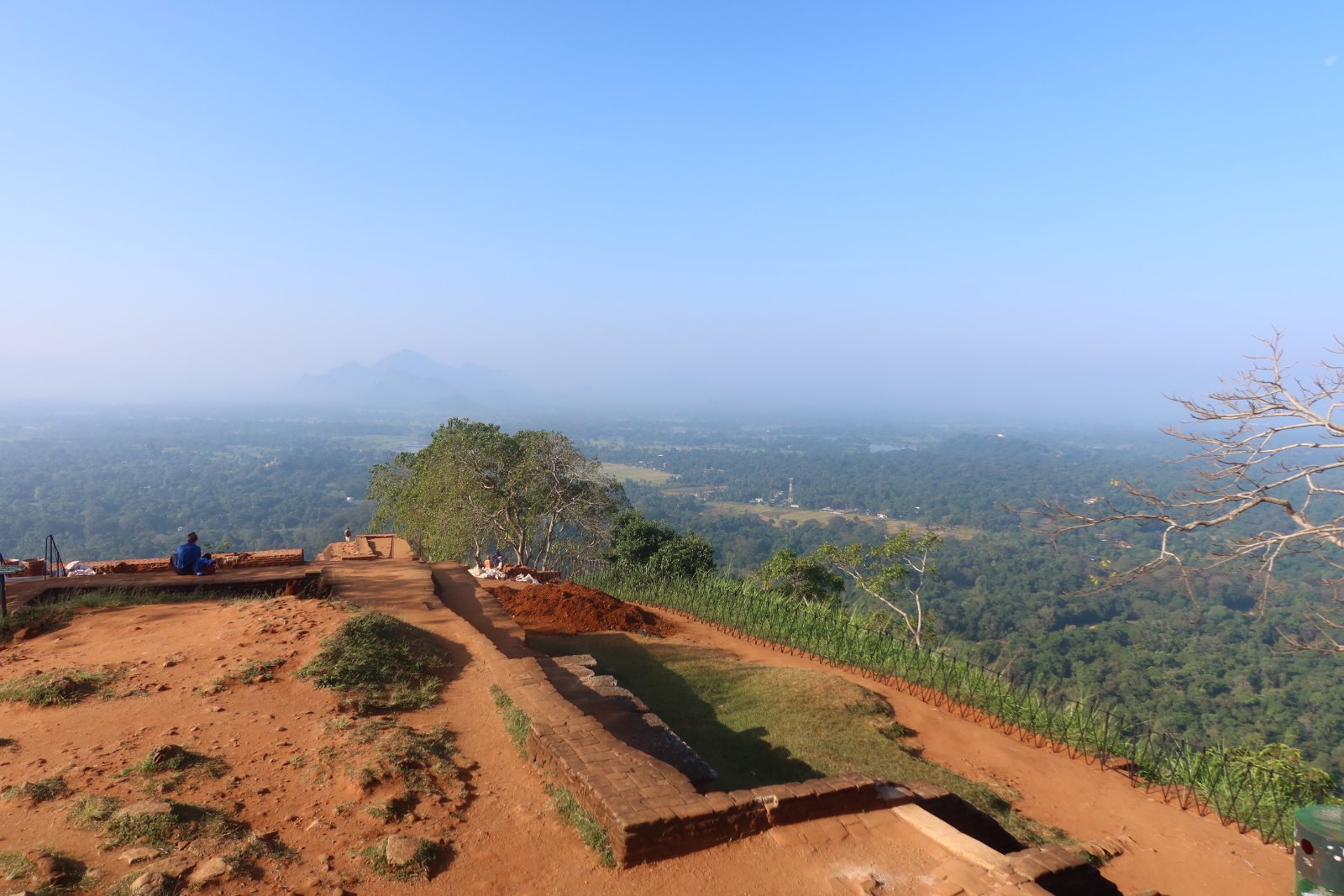
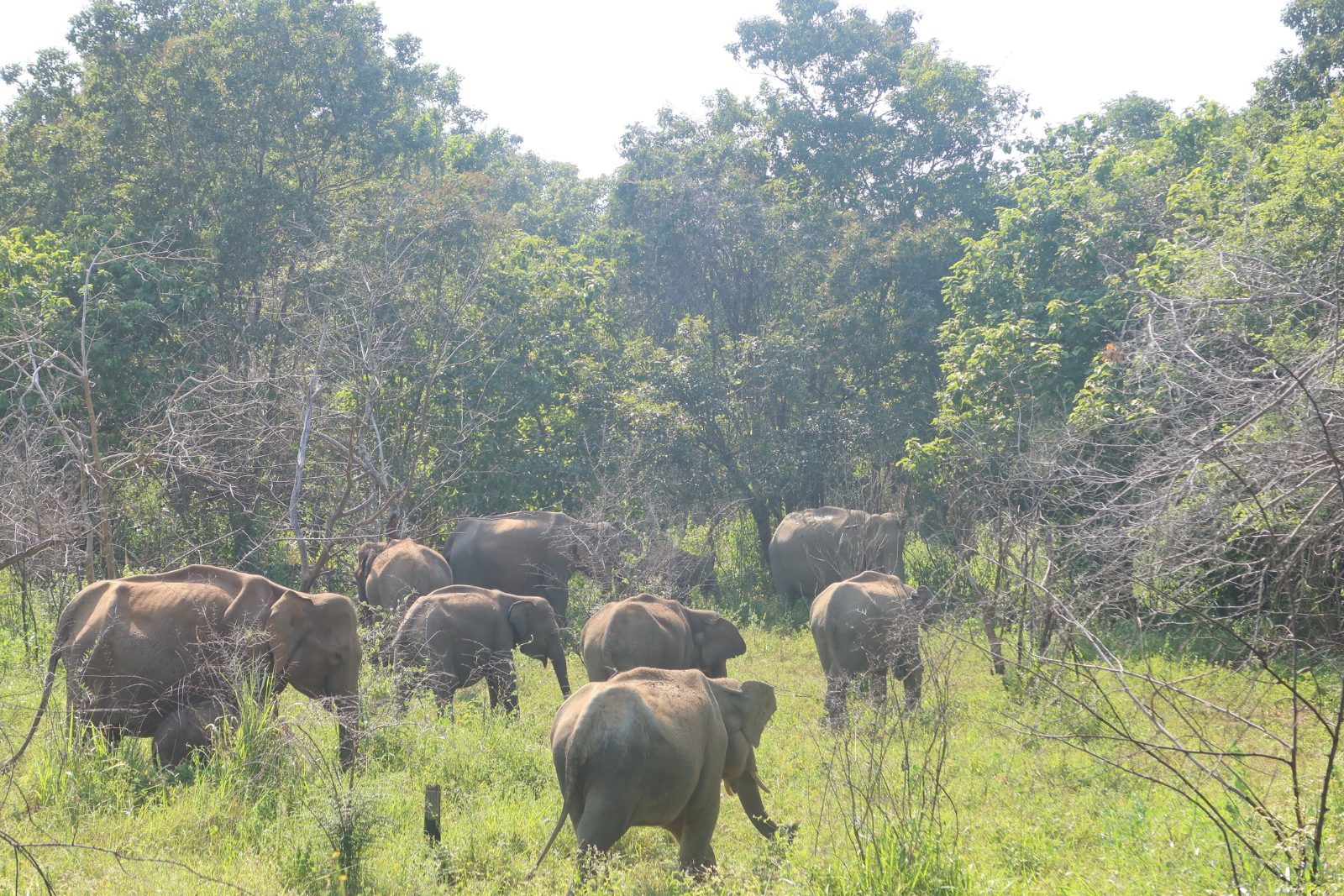
In Rajasthan I moved from the palaces and hill forts of Jaipur to Jaisalmer on the edge of the Thar Desert, where evenings come with folk music. In Sri Lanka I climbed Sigiriya, the fifth-century rock fortress, and watched elephants gather on the grasslands near Minneriya.

East & Southeast Asia · Korea, Vietnam, Laos, Cambodia
Palaces, karsts and jungle
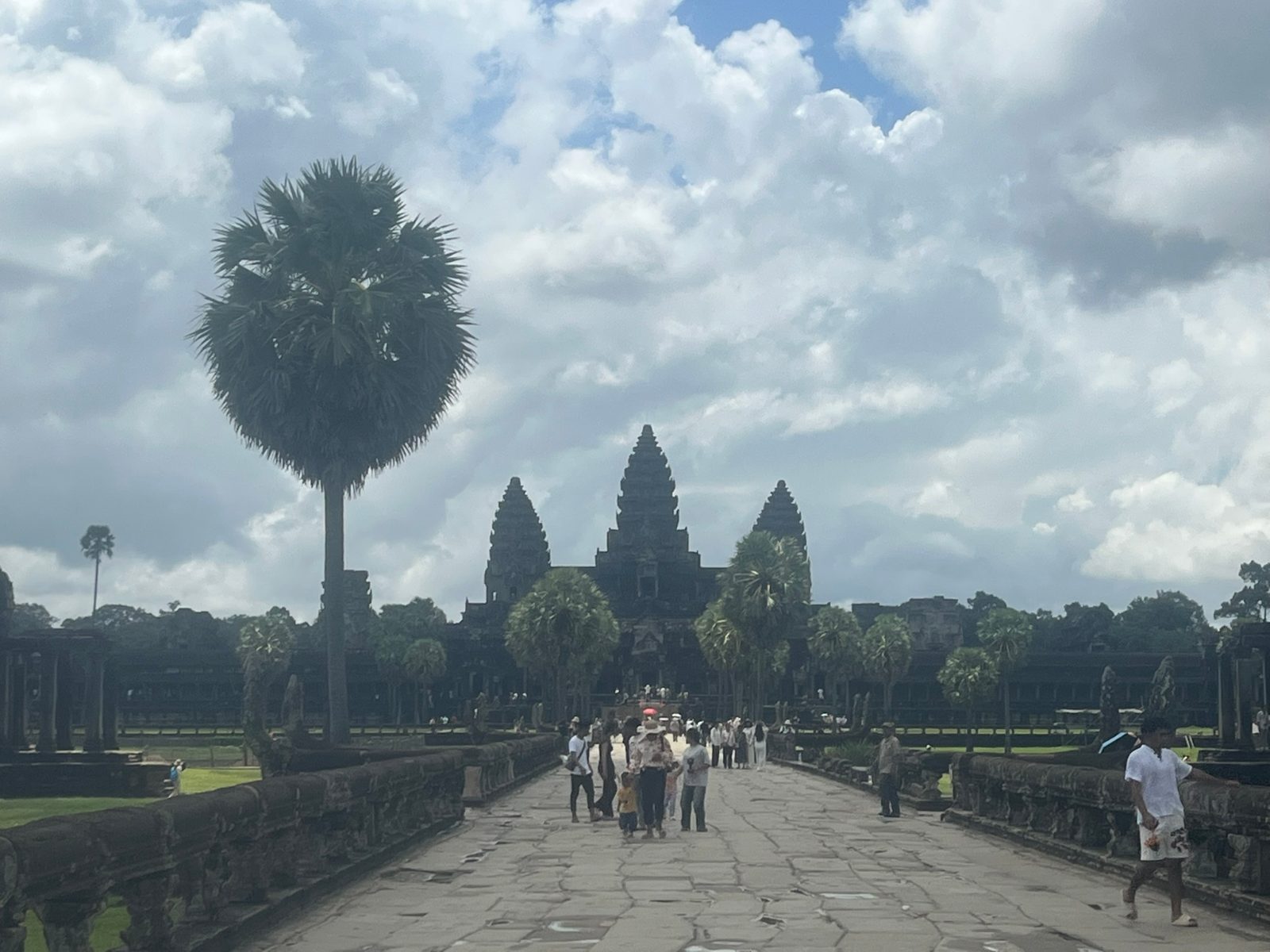
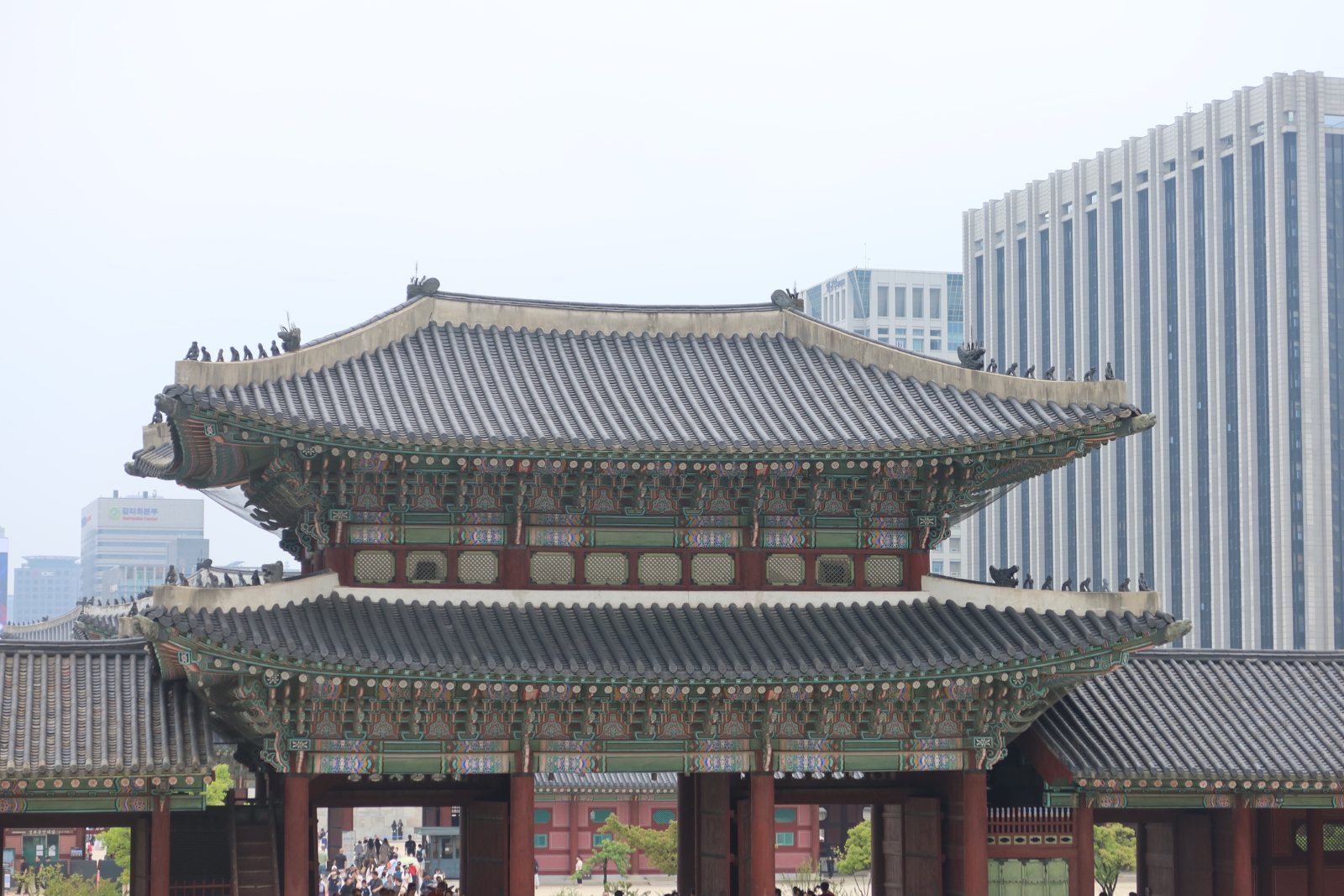
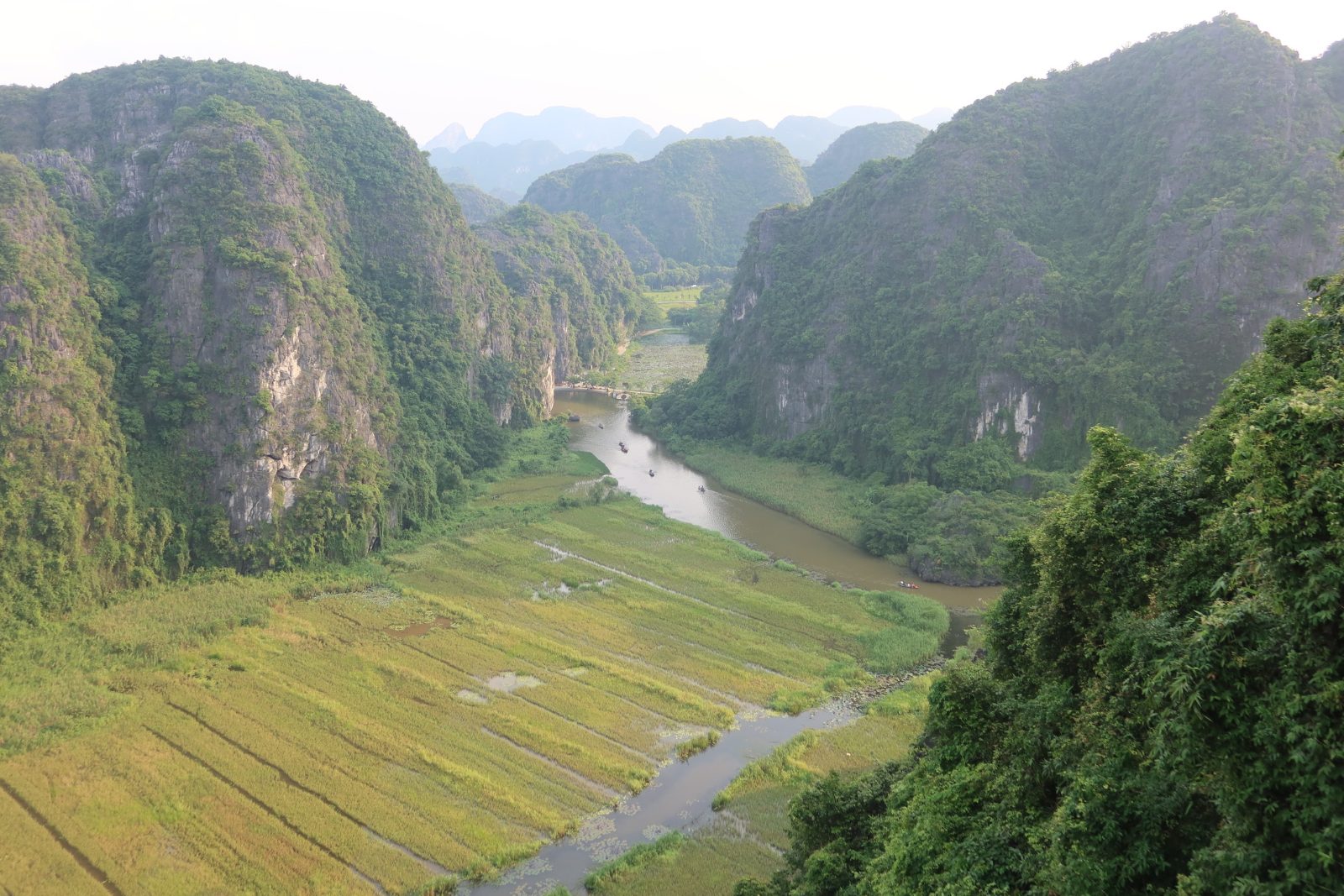
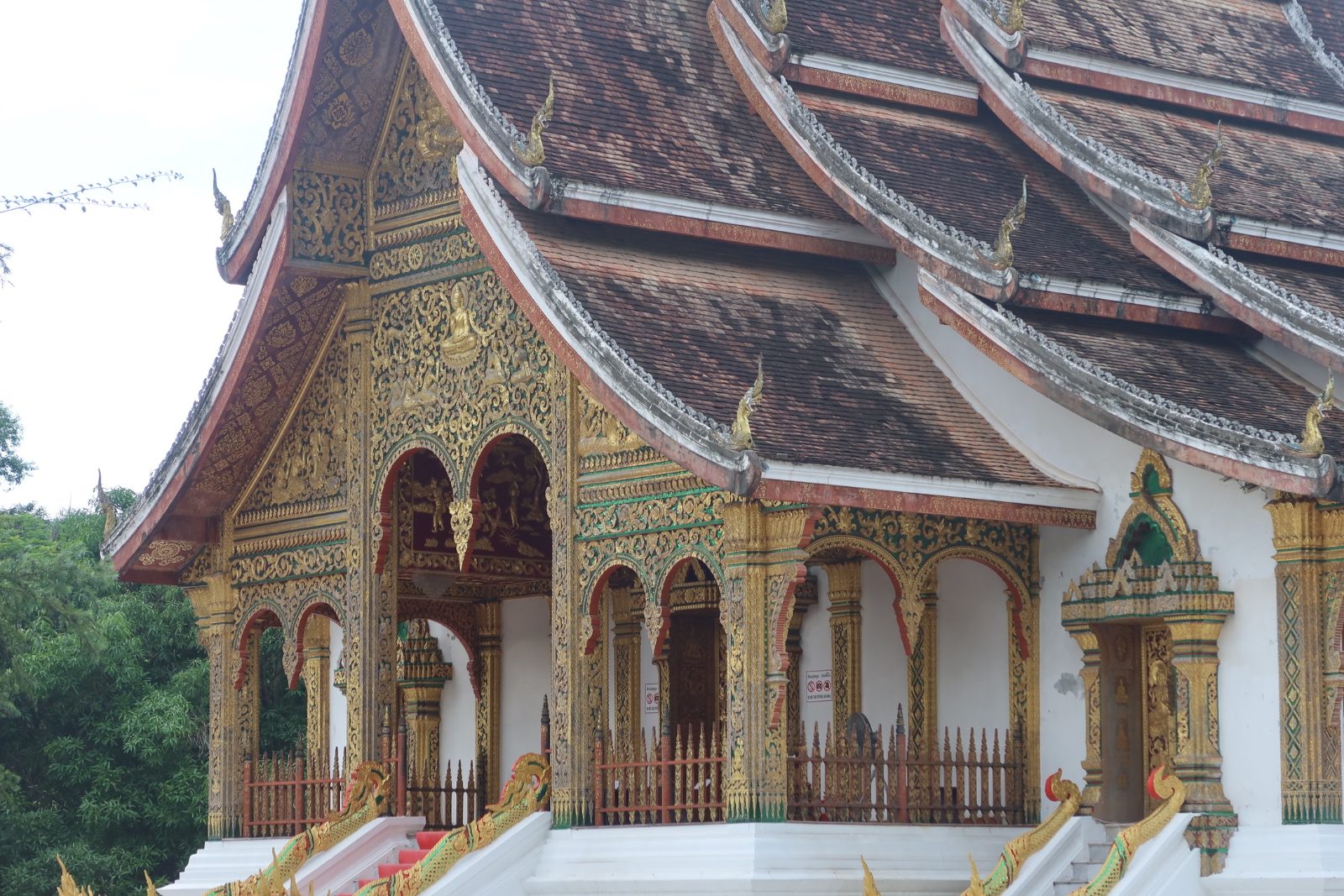
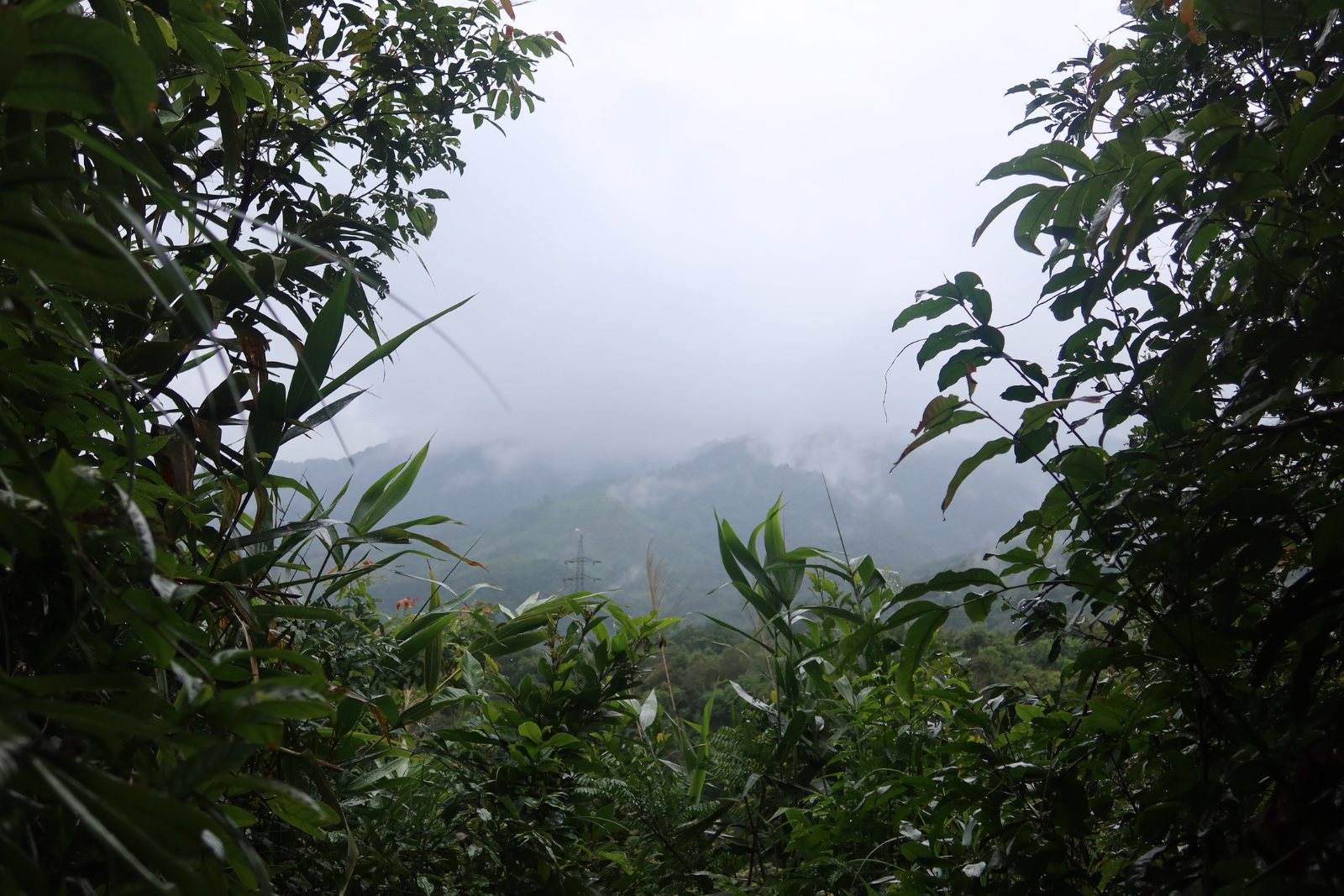
A summer that began among the palaces of Seoul and continued through the limestone karsts of Ninh Binh, the temples of Luang Prabang and a two-day trek with a local guide through Laos’s Nam Ha protected area before ending at Angkor.
Europe, North America & Australia
Mountains, the red centre and the reef
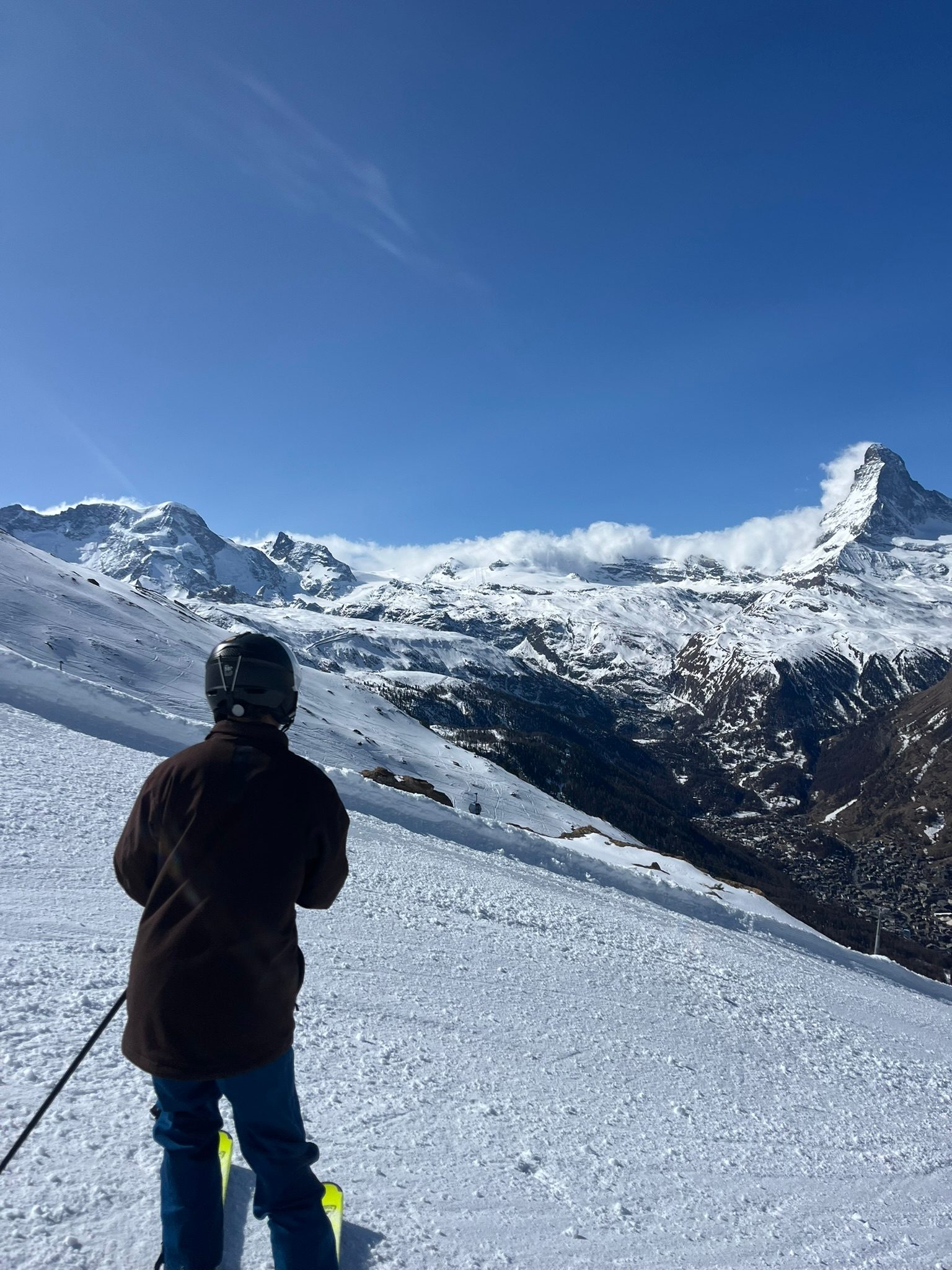
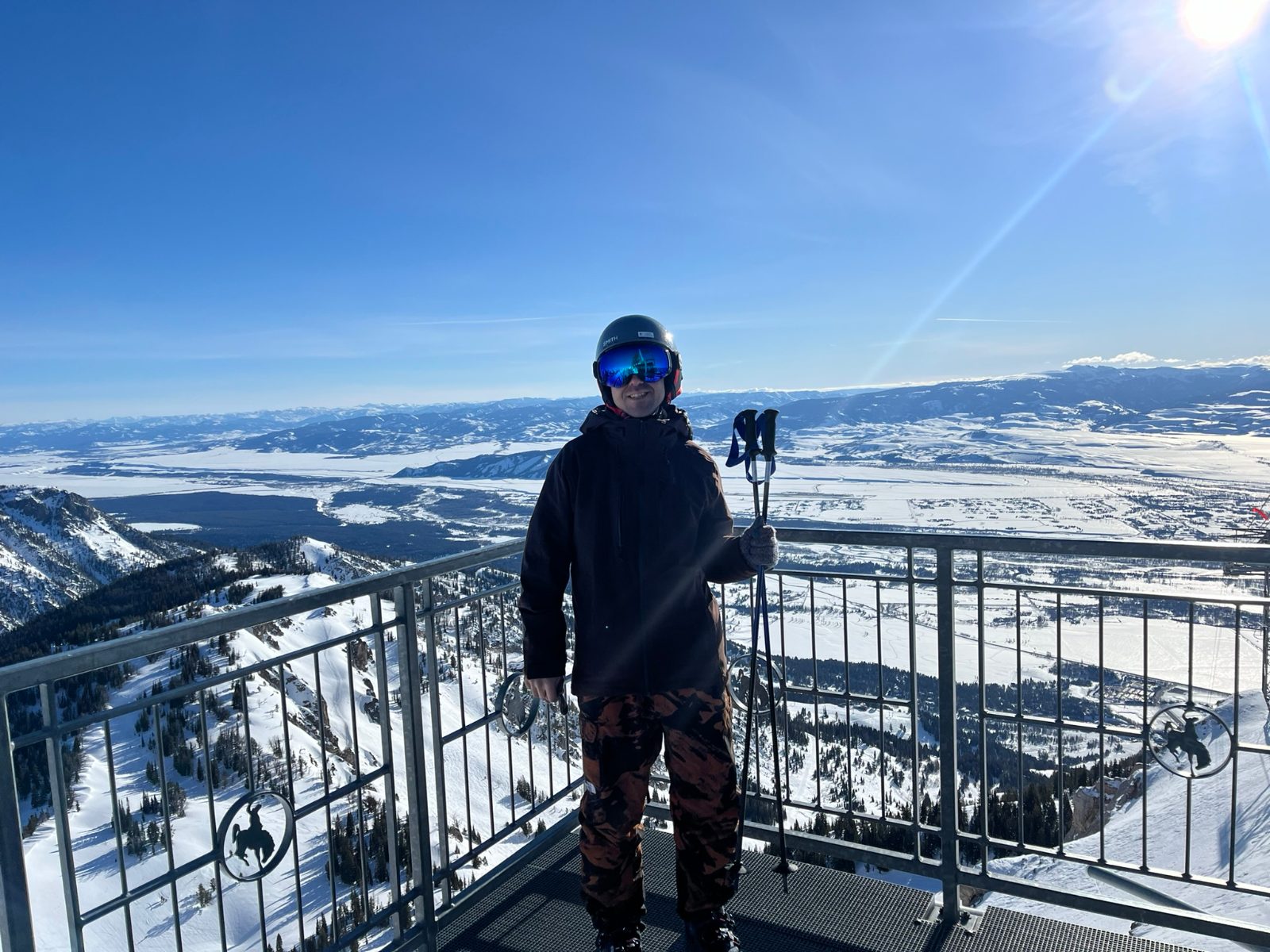
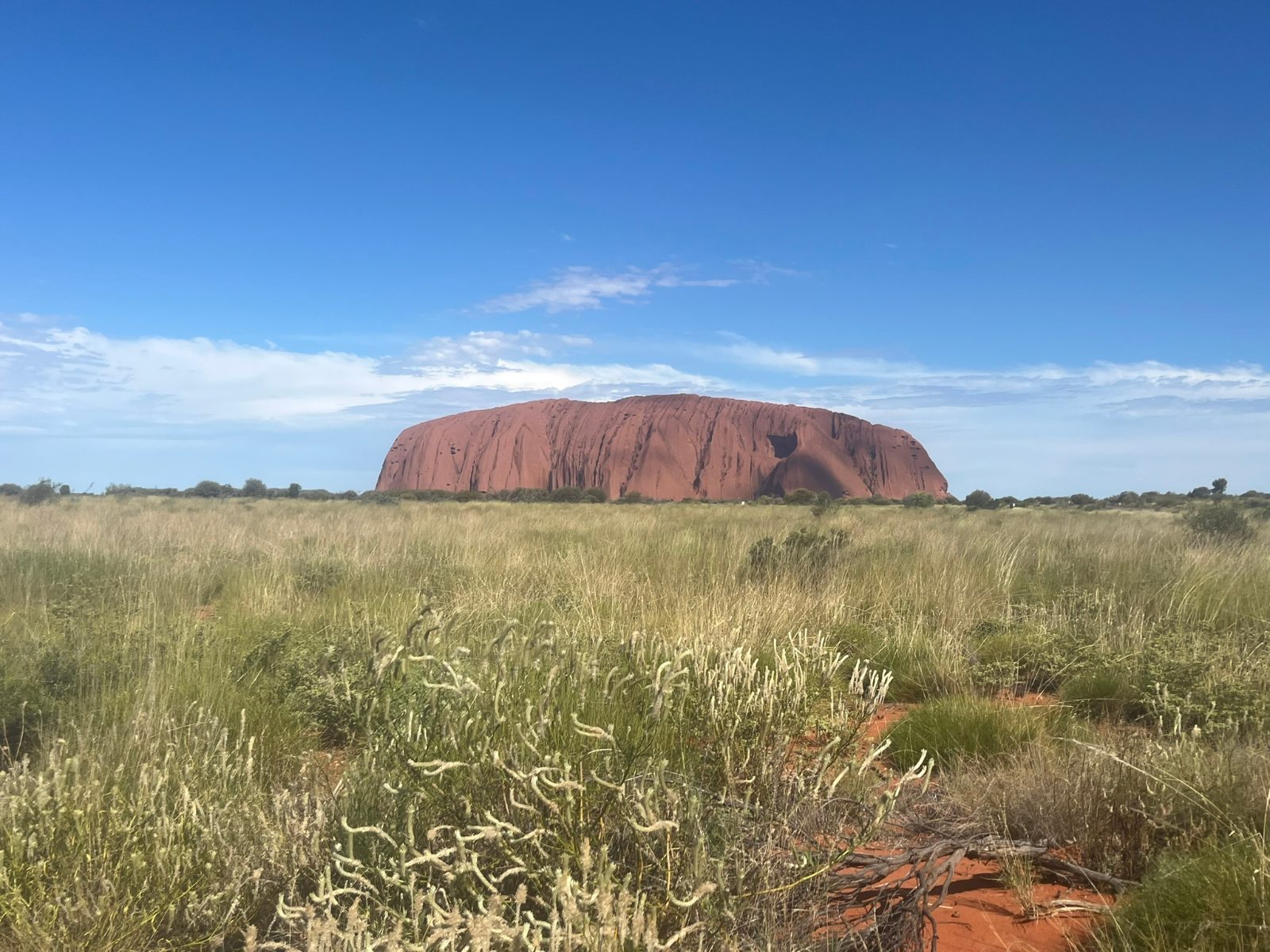
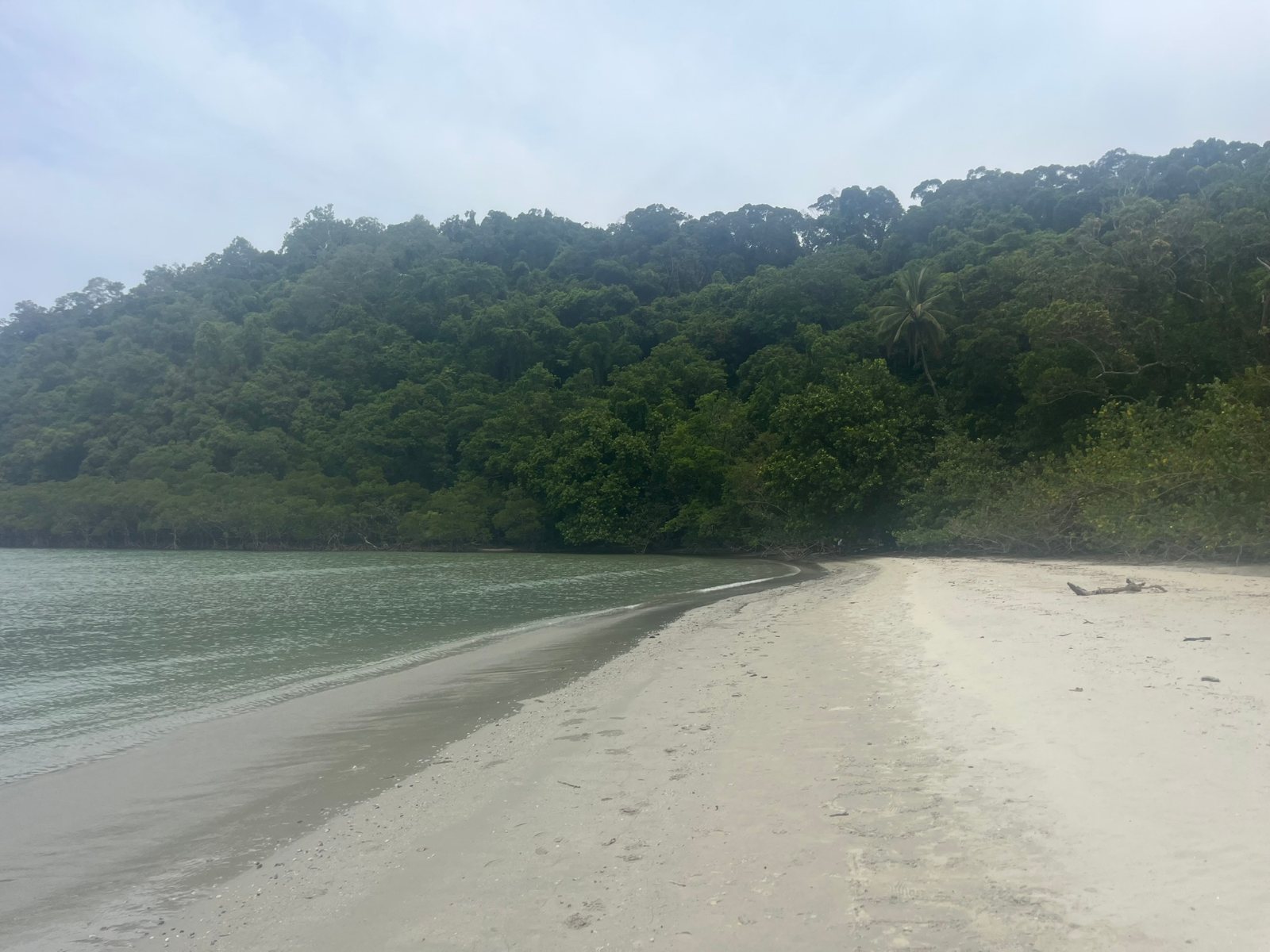
Closer to home and on the other side of the world: the Tetons and the Matterhorn, and in Australia, where Diraq was founded, the red centre at Uluṟu and the Daintree coast, where rainforest runs straight down to the sea.
Beyond the lab
The rest of me
Pianist
I'm a concert pianist and was part of the Cornell Piano Society.
Writer
I write The Other Frontier, a Substack about technology access and inequality across the Global South.
Community builder
I founded the Penn Quantum Engineering Graduate Association, and at the start of the pandemic co-founded #savethefrontline with fellow Cornell alumni to get protective equipment to frontline workers.
Teacher
I've taught machine learning to high school and college students with Inspirit AI, and was head teaching assistant for graduate linear algebra and optimization at Penn.